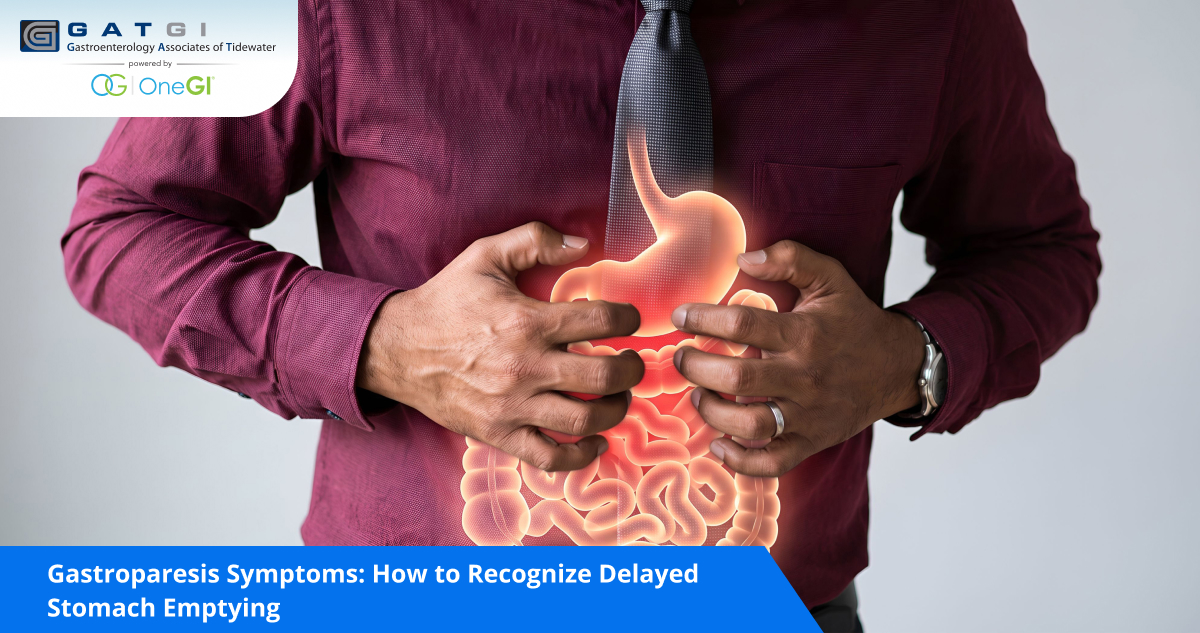
Feeling unusually full after only a few bites, experiencing nausea after meals, or noticing persistent upper-abdominal bloating may be more than an occasional digestive issue. When these symptoms happen repeatedly, they can sometimes point to a problem with how quickly the stomach empties.
Gastroparesis can cause this pattern. Instead of moving food into the small intestine at the expected rate, the stomach empties more slowly, even without a physical blockage.
Knowing the early signs of gastroparesis, what may contribute to the condition, and how doctors evaluate delayed stomach emptying can make it easier to recognize when recurring symptoms deserve medical attention.
What Happens When You Have Gastroparesis?
Gastroparesis is a condition in which food moves from the stomach into the small intestine more slowly than it normally should.
Digestion depends partly on coordinated contractions of the stomach muscles. Nerves, including the vagus nerve, help regulate those contractions so food can be processed and moved forward.
With gastroparesis, normal stomach movement becomes impaired. Food may therefore remain in the stomach longer, contributing to fullness, nausea, bloating, vomiting, or difficulty eating enough.
Gastroparesis is not the same as having an obstruction. A person can experience delayed gastric emptying even without a structural blockage preventing food from leaving the stomach.
Symptoms and their impact can vary considerably, as can treatment options for digestive disorders. Some people experience relatively mild digestive changes, while others have persistent symptoms that interfere with eating, hydration, nutrition, or everyday activities.
Early Signs and Symptoms of Gastroparesis
The early signs of gastroparesis are not always obvious because nausea, fullness, and bloating can occur with many other digestive problems.
What matters is whether these symptoms keep coming back after meals, continue over time, or begin affecting how much you can comfortably eat.
-
Getting Full Earlier Than Expected
Early satiety, or feeling full sooner than expected, is a common symptom associated with delayed stomach emptying.
You may notice that you:
- Feel satisfied or uncomfortable after only a few bites
- Cannot comfortably finish portions you could previously eat
- Remain full long after a meal has ended
When food stays in the stomach for an extended period, the sensation of fullness may continue well beyond the meal itself.
-
Recurring Nausea Following Meals
Another symptom is nausea that regularly develops or becomes worse after eating.
This may involve:
- Feeling queasy after meals
- Noticing worse symptoms after larger portions
- Eating less because meals repeatedly cause discomfort
Occasional nausea has many possible causes. However, nausea that keeps returning, particularly when it interferes with eating or everyday activities, may be a reason to talk with a healthcare provider.
-
Persistent Bloating or Upper-Abdominal Pressure
People with delayed stomach emptying may also experience bloating, pressure, or upper-abdominal discomfort.
Possible experiences include:
- A swollen or overly full sensation after meals
- Pressure in the stomach area
- Persistent upper-abdominal discomfort
These symptoms alone cannot confirm gastroparesis. Bloating can occur with several digestive disorders, which is one reason doctors consider the complete symptom pattern rather than relying on one complaint.
-
Vomiting, Reduced Intake, and Weight Changes
When symptoms become more significant, some people may vomit or struggle to consume enough food and fluids.
Repeated vomiting or substantially reduced food intake can contribute to:
- Dehydration
- Unintentional weight changes
- Difficulty meeting calorie and nutrient needs
Frequent vomiting, signs of dehydration, or unexplained weight loss should be discussed with a healthcare professional rather than managed solely through dietary changes at home.
Why Does Gastroparesis Develop?
The causes of gastroparesis are not identical for everyone. The condition may be associated with nerve damage, previous surgery, another health condition, or medications that affect digestive movement. In some cases, doctors cannot identify a specific underlying cause.
Your medical history can therefore provide important clues about what may be contributing to delayed stomach emptying.
-
Diabetes and Changes in Nerve Function
Diabetes is a well-recognized condition associated with gastroparesis.
Over time, persistently elevated blood glucose can damage nerves, including the vagus nerve that regulates stomach contractions. If those nerve signals become impaired, food may move more slowly through the stomach.
For patients with diabetes-related gastroparesis, blood glucose management may therefore form an important part of the overall care plan.
-
Previous Stomach or Digestive Surgery
Certain operations involving the stomach or nearby areas of the digestive tract can affect nerves that participate in gastric movement.
If nerve signaling changes following surgery, the stomach may no longer move food as efficiently as it did before the procedure.
-
Underlying Neurological, Autoimmune, or Hormonal Conditions
Delayed gastric emptying may also occur in association with other medical conditions.
Depending on the individual, doctors may consider factors such as:
- Neurological disorders affecting nerve function
- Certain autoimmune diseases
- Hormonal or metabolic conditions, including hypothyroidism
Because these conditions require different care approaches, identifying a contributing health problem can influence how gastroparesis is managed.
-
Medications That May Slow Gastric Emptying
Certain medicines can affect digestive movement and may contribute to or worsen symptoms in some patients.
If nausea, prolonged fullness, or similar digestive symptoms begin after a medication change, tell the prescribing healthcare provider. They can review whether the medication could be contributing and determine whether an adjustment is appropriate.
Do not discontinue a prescribed medication without medical guidance.
Who May Be More Likely to Develop Gastroparesis?
Gastroparesis can occur in people with a range of medical backgrounds, including individuals without an obvious underlying cause.
Factors that may be associated with a greater likelihood of delayed gastric emptying include:
- Diabetes, particularly when blood glucose has been difficult to control
- A history of certain stomach or upper-digestive surgeries
- Neurological conditions affecting normal nerve signaling
- Certain autoimmune diseases
- Use of medications capable of slowing gastrointestinal movement
Having one of these factors does not necessarily mean someone has gastroparesis. Doctors must consider symptoms, health history, examination findings, and diagnostic testing together.
How Doctors Evaluate Suspected Gastroparesis
Symptoms such as nausea, bloating, vomiting, and early fullness can overlap with several gastrointestinal conditions. That is why a diagnosis usually involves looking beyond symptoms alone.
During an evaluation, a gastroenterologist may ask about:
- When the digestive symptoms first appeared
- Whether they consistently occur after eating
- Changes in appetite or body weight
- Current prescription and nonprescription medications
- Existing medical conditions, including diabetes
- Previous abdominal or digestive surgeries
Testing may then be used to assess stomach emptying and exclude other explanations for the symptoms.
Measuring How Quickly the Stomach Empties
Gastric emptying testing can help determine whether food is leaving the stomach at an expected rate.
For a gastric emptying study, the patient typically eats a prepared meal containing a small detectable marker. Images taken over a specified period allow the healthcare team to measure how much of that meal remains in the stomach.
The results can show whether gastric emptying is delayed and help support an appropriate diagnosis.
Ruling Out Other Upper-Digestive Conditions
Additional testing may be needed because other gastrointestinal problems can produce similar symptoms.
An upper endoscopy allows a gastroenterologist to examine the esophagus, stomach, and beginning of the small intestine for structural abnormalities or other conditions that could help explain a patient’s symptoms.
The exact testing plan depends on the person’s symptoms, medical history, and findings from the initial evaluation.
How Is Gastroparesis Treated?
No universal treatment plan exists for gastroparesis. Treatment is tailored to factors such as the cause of delayed emptying, symptom severity, nutritional status, other medical conditions, and response to previous therapies.
The goals of gastroparesis treatment may include controlling nausea and vomiting, maintaining adequate nutrition and hydration, addressing contributing medical conditions, and supporting stomach movement when appropriate.
Medications for Symptom and Motility Management
Consider medication when dietary changes alone do not adequately control symptoms.
Depending on the patient’s circumstances, treatment may focus on:
- Encouraging stomach movement
- Controlling nausea or vomiting
- Reducing the overall burden of digestive symptoms
Because medications can have different risks, benefits, and interactions, a healthcare professional familiar with the patient’s medical history should individualize treatment decisions.
Options for More Difficult-to-Manage Symptoms
Patients whose symptoms remain severe despite dietary modifications and medication may need additional medical support.
Depending on the situation, a gastroenterologist may consider therapies to maintain nutrition or improve digestive function.
Factors influencing these decisions can include:
- How severe or frequent the symptoms are
- Whether adequate nutrition can be maintained
- Which treatments have already been attempted
- The patient’s overall medical condition
Specialist evaluation is especially important when gastroparesis begins to interfere substantially with food intake, hydration, or quality of life.
Eating and Daily Habits That May Make Gastroparesis Easier to Manage
Changes in eating patterns can sometimes help manage symptoms associated with delayed stomach emptying. These strategies are supportive measures, not substitutes for medical evaluation or prescribed treatment.
Because nutritional needs differ, patients with persistent symptoms may benefit from recommendations provided by their gastroenterologist or a registered dietitian.
Reduce the Size of Individual Meals
Instead of eating several large meals, some people find smaller, more frequent portions easier to tolerate.
Helpful strategies may include:
- Spreading food intake across smaller meals
- Eating at a comfortable pace
- Chewing food thoroughly
- Stopping before becoming overly full
Smaller portions reduce the amount of food the stomach must process at one time and may help lessen post-meal discomfort for some people.
Focus on Foods That Are Better Tolerated
Food texture and composition can affect how comfortable eating feels when gastric emptying is delayed.
Depending on individual tolerance and nutritional requirements, recommendations may include:
- Soft or easy-to-chew foods
- Vegetables that have been thoroughly cooked
- Foods containing less fat when appropriate
- Adequate fluid intake
There is no single gastroparesis diet that works equally well for everyone. Individual food tolerance should be considered when developing an eating plan.
Review Fiber Intake With a Healthcare Professional
Fiber supports digestive health, but certain high-fiber foods can be more difficult for some people with delayed gastric emptying to tolerate.
A physician or registered dietitian can help determine whether modifying fiber intake is appropriate while ensuring that nutritional needs continue to be met.
Track the Relationship Between Meals and Symptoms
A simple food-and-symptom record can reveal patterns that are difficult to remember during a medical appointment.
Consider recording:
- What you ate and drank
- Approximate portion sizes
- When symptoms began
- How long symptoms lasted
- Which foods appeared easier or harder to tolerate
Sharing this information with a healthcare provider can provide additional context when discussing possible dietary modifications.
Pay Attention to Hydration
Hydration becomes particularly important when nausea or vomiting limits normal food and fluid intake.
Regular fluid intake may help reduce the risk of dehydration, although individual needs can vary. Patients having difficulty keeping fluids down should contact a healthcare professional for guidance.
Consider Blood Glucose as Part of Diabetes-Related Care
For people who have both diabetes and gastroparesis, glucose management and digestive symptoms can be closely connected.
Blood glucose changes may affect stomach emptying, while unpredictable digestion can also make diabetes management more complicated. Coordinated care can help address both issues rather than treating digestive symptoms in isolation.
When Do Gastroparesis Symptoms Need Medical Attention?
An occasional episode of fullness or nausea does not necessarily indicate gastroparesis. But when digestive symptoms keep returning, become more frequent, or start interfering with normal eating and daily life, it may be time to seek medical care.
Consider discussing your symptoms with a gastroenterologist if you regularly experience:
- Nausea after eating
- Repeated episodes of vomiting
- Feeling full after unusually small portions
- Unexplained or unintended weight loss
- Difficulty eating enough to maintain nutrition
- Persistent upper-abdominal bloating or discomfort
- Digestive symptoms that are disrupting everyday life
A gastroenterologist can evaluate whether delayed gastric emptying or another gastrointestinal condition is causing the symptoms.
If diet and lifestyle changes have not resolved your persistent digestive symptoms, a gastroenterologist can help identify whether an underlying GI condition needs further evaluation.
If these problems continue despite changes to your eating habits, a gastroenterologist at Gastroenterology Associates of Tidewater (GATGI) can evaluate persistent digestive symptoms and discuss appropriate diagnostic and treatment options.
What to Discuss at a Gastroparesis Appointment
Knowing what you want to ask before your appointment can make it easier to understand your diagnosis, testing options, and next steps.
Questions worth discussing may include:
- What conditions could explain the symptoms I am experiencing?
- Do I need testing to measure gastric emptying?
- Could any of my medications be contributing to these symptoms?
- Should I change my meal size, food texture, fat, or fiber intake?
- What treatment options are appropriate if dietary changes are not enough?
- What symptoms should prompt me to contact the office sooner?
These questions can help patients understand both the diagnostic process and what ongoing management may involve.
Key Points to Remember
- Gastroparesis involves delayed movement of food from the stomach without a mechanical blockage.
- Early fullness, nausea, bloating, vomiting, and difficulty maintaining normal food intake are possible symptoms.
- Diabetes, certain surgeries, medical conditions, and some medications may contribute to delayed stomach emptying.
- Symptoms alone are not enough to diagnose gastroparesis because several digestive disorders can cause similar complaints.
- Diagnostic testing may include a gastric emptying study and evaluations used to rule out other gastrointestinal conditions.
- Gastroparesis treatment is individualized and may involve dietary strategies, medication, management of contributing conditions, or additional therapies.
Get Help for Persistent Digestive Symptoms from Trusted Experts!
When nausea, prolonged fullness, bloating, or discomfort after eating keeps returning, you should not have to keep guessing about the cause. Because these symptoms can overlap with several digestive conditions, a proper evaluation can help identify what is happening and what to do next.
At Gastroenterology Associates of Tidewater, board-certified gastroenterologists provide digestive health care to patients in Virginia Beach, Chesapeake, and surrounding Hampton Roads communities. If persistent nausea, early fullness, vomiting, bloating, or other digestive concerns are affecting your daily life, an evaluation can help determine whether gastroparesis or another gastrointestinal condition may be contributing to your symptoms.
Ready to get answers about your digestive symptoms? Request an appointment with Gastroenterology Associates of Tidewater at (757) 547-0798.
GATGI has offices at 5701 Cleveland Street, Suite 100, Virginia Beach, VA 23462, and 661 Independence Parkway, Suite 120, Chesapeake, VA 23320.
Frequently Asked Questions
1. Does gastroparesis always cause symptoms after every meal?
No. Symptom frequency and intensity can vary. Some people experience relatively mild periods followed by more noticeable symptoms, and the amount or type of food eaten may also affect how they feel.
2. How is gastroparesis different from acid reflux?
Gastroparesis primarily involves delayed stomach emptying. Acid reflux occurs when stomach contents flow backward into the esophagus. Although both can cause post-meal symptoms, they are different digestive conditions.
3. Can gastroparesis improve over time?
The outlook varies by underlying cause and severity. Some patients improve symptom control with dietary changes and treatment, while others need ongoing management.
4. Are there specific foods everyone with gastroparesis should avoid?
Not necessarily. Food tolerance varies considerably. A healthcare professional or registered dietitian can help identify appropriate food choices based on symptom severity, nutritional needs, and individual tolerance.
5. Which specialist evaluates suspected gastroparesis?
A gastroenterologist specializes in conditions affecting the digestive system and can assess symptoms, determine whether gastric emptying testing is appropriate, rule out other causes, and discuss treatment options.