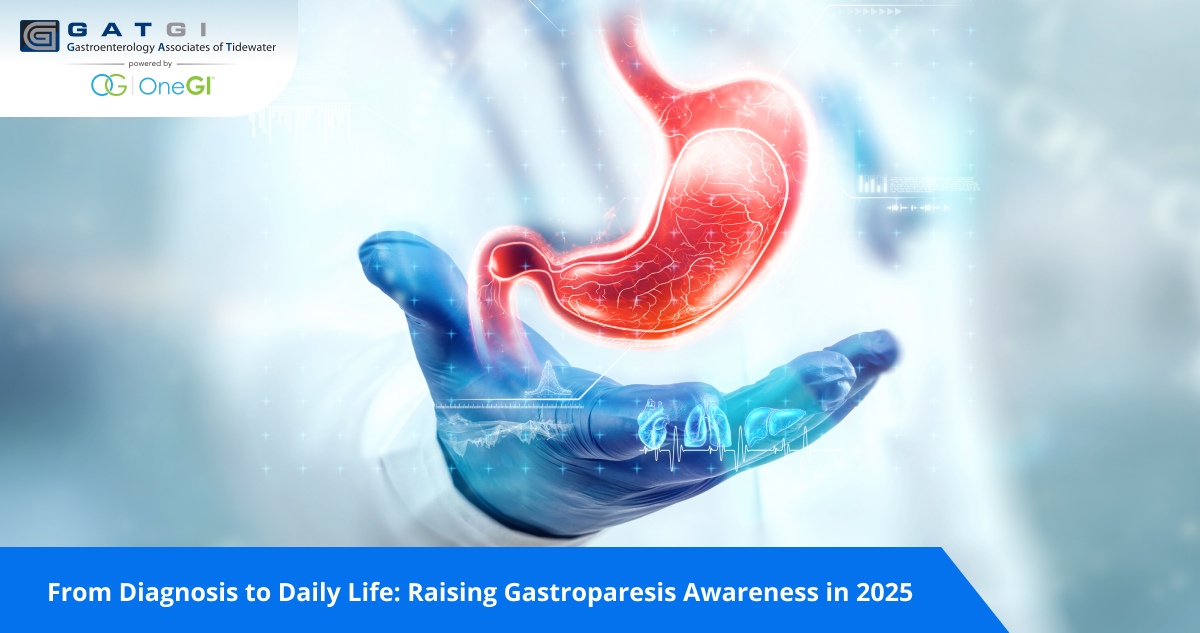
Gastroparesis, a condition that slows down stomach emptying, affects about 5 million people in the US. Though relatively rare—impacting 10 in 100,000 men and 40 in 100,000 women—similar symptoms are much more common, affecting one in four adults.
Gastroparesis Awareness Month 2025 is here, highlighting the importance of raising awareness. Understanding gastroparesis, an invisible illness, is more crucial than ever. This chronic disorder slows stomach emptying without a physical blockage, creating daily challenges for those living with it.
Early recognition and proper management make a significant difference in quality of life. Whether you suspect you might have gastroparesis or want to support someone with this condition, knowing the facts helps you navigate the path from diagnosis to effective daily management.
Table of Contents
Understanding Gastroparesis
Gastroparesis occurs when the stomach muscles fail to work properly. In healthy digestion, stomach contractions crush food and push it into the small intestine. With gastroparesis, these contractions slow down or stop working entirely.
Common Symptoms
The symptoms of gastroparesis often develop gradually:
- Feeling full after eating small amounts
- Nausea and vomiting
- Bloating and belching
- Upper abdominal pain
- Poor appetite
- Heartburn
These symptoms occur because food stays in the stomach longer than usual. Some people experience mild discomfort, while others face severe complications requiring hospitalization.
Causes and Risk Factors
Diabetes ranks as the most common known cause of gastroparesis. High blood sugar levels damage the vagus nerve, which controls stomach muscles. However, many gastroparesis cases have no identifiable cause.
Other potential causes include:
- Previous stomach surgery
- Autoimmune diseases like scleroderma
- Nervous system disorders such as Parkinson’s disease
- Viral stomach infections
- Certain medications, including narcotic pain relievers
Diagnosis and Testing
Getting an accurate diagnosis requires specialized testing. Doctors use several methods to confirm gastroparesis and rule out other conditions.
Gastric Emptying Study
This test measures how quickly food leaves your stomach. You eat a meal containing a small amount of radioactive material. Imaging equipment tracks the food movement over several hours. Delayed emptying indicates gastroparesis.
Alternative Testing Methods
Other diagnostic options include:
- 13C spirulina breath test – uses labeled food and breath samples
- Wireless capsule system (SmartPill) – records information as it travels through your digestive tract
- Upper endoscopy – this test examines the stomach lining with a camera
Your gastroenterologist may recommend multiple tests to get a complete picture of your condition.
Managing Daily Life with Gastroparesis
Living with gastroparesis requires adjustments to diet, medication, and lifestyle habits. The good news is that proper management helps most people maintain a good quality of life.
Dietary Adjustments
Diet modifications form the foundation of gastroparesis management:
- Eat smaller, frequent meals throughout the day
- Choose low-fat foods that digest more easily
- Limit high-fiber foods that slow stomach emptying
- Consider liquid meals or soups when symptoms worsen
- Stay well-hydrated with water and electrolyte solutions
Working with a registered dietitian helps create a personalized eating plan that meets your nutritional needs while managing symptoms.
Medications and Therapies
Several medications help improve stomach emptying and control symptoms:
- Metoclopramide enhances stomach contractions but requires careful monitoring
- Erythromycin stimulates stomach movement but loses effectiveness after four weeks
- Anti-nausea medications like ondansetron control vomiting
- Proton pump inhibitors reduce stomach acid
For severe cases, gastroparesis new treatments 2025 include specialized procedures like G-POEM (gastric peroral endoscopic myotomy) and electrical stimulation devices.
Lifestyle Adjustments
Simple lifestyle changes support medical treatment:
- Take short walks after meals to aid digestion
- Avoid lying down immediately after eating
- Manage stress through relaxation techniques
- Monitor blood sugar levels closely if you have diabetes
- Keep a symptom diary to identify triggers
Raising Awareness and Support
Gastroparesis remains an under-recognized condition. Many patients struggle for years before receiving an accurate diagnosis. Raising awareness for gastroparesis helps people get the care they need sooner.
Building Support Networks
Connecting with others who understand gastroparesis makes a tremendous difference:
- Join online support groups and forums
- Attend local gastroparesis support meetings
- Share experiences with family and friends
- Educate healthcare providers about your condition
Educational Resources
Quality information empowers patients and caregivers:
- Learn about your specific type of gastroparesis
- Understand your treatment options
- Track your symptoms and triggers
- Prepare questions for healthcare appointments
Patient education resources from qualified gastroenterology specialists in Virginia Beach provide reliable, up-to-date information about digestive conditions.
Taking Control of Your Health
Gastroparesis presents real challenges, but proper diagnosis and management help people live full, active lives. Early intervention prevents complications and improves long-term outcomes. Working closely with experienced GI associate doctors ensures you receive comprehensive care tailored to your specific needs.
If you experience persistent stomach symptoms, seek evaluation from a qualified gastroenterologist. Professional gastrointestinal disease treatment makes the difference between struggling with unexplained symptoms and taking control of your digestive health.
Schedule a gastroenterology consultation today to discuss your symptoms and explore your treatment options. Your journey to better digestive health starts with that first important step.