Living with Crohn’s disease or colitis is a constant emotional and physical challenge. Every day, individuals battling these gastrointestinal diseases face the task of managing pain, flare-ups, and the uncertainty of their symptoms.
According to the Crohn’s & Colitis Foundation, nearly 3 million Americans are affected by these conditions. If someone you care about is navigating this journey, offering your support can make a world of difference. Understanding their needs, both emotionally and physically, will help you be a compassionate and thoughtful ally.
But equally important is to seek gastrointestinal disease treatment before it’s too late. This post will help you understand more about offering support to Crohn’s and colitis patients and why balancing emotional support and medical intervention is an important success factor.
Understanding Crohn’s Disease and Colitis
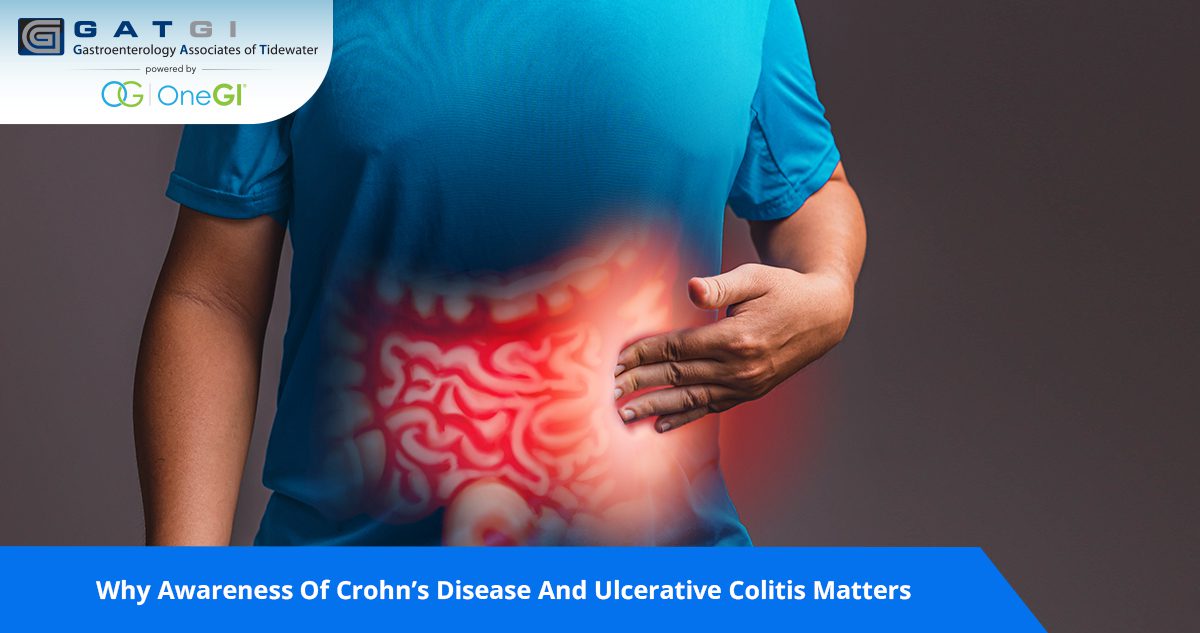
To truly offer effective support, it’s important to understand what Crohn’s disease and colitis are. Both are inflammatory bowel diseases (IBD) that cause chronic inflammation in the digestive tract, but they affect different areas of the intestines.
While symptoms often overlap, such as stomach pain, diarrhea, and fatigue, they can vary in severity from day to day. This unpredictable nature of IBD can make life difficult, but it’s essential to recognize that the pain isn’t just physical – it has an emotional and mental impact as well.
When living with IBD, individuals face not just the challenges of flare-ups but also the stress of never knowing when symptoms might worsen. This is where your support comes in. By understanding the daily realities of living with IBD, you can help ease the emotional burden and create a space where your loved one feels less alone.
Crohn’s and Colitis Awareness: Spreading Knowledge
Raising Crohn’s and colitis awareness is one of the most effective ways to support someone dealing with IBD. Many people are unaware of the challenges faced by those with these conditions, which can often lead to misunderstandings or uncomfortable situations. By educating yourself, you become a more empathetic and supportive ally.
As awareness of IBD grows, it becomes easier for individuals with these conditions to feel understood rather than isolated. Spreading knowledge, whether through casual conversations, social media, or supporting IBD-related events, can help eliminate stigma.
Moreover, it helps create a more accepting environment where your loved one feels comfortable talking about their condition without fear of judgment. Being informed about the disease allows you to offer practical help and emotional support, knowing exactly what to say and what not to say.
Emotional Support for Crohn’s and Colitis Patients
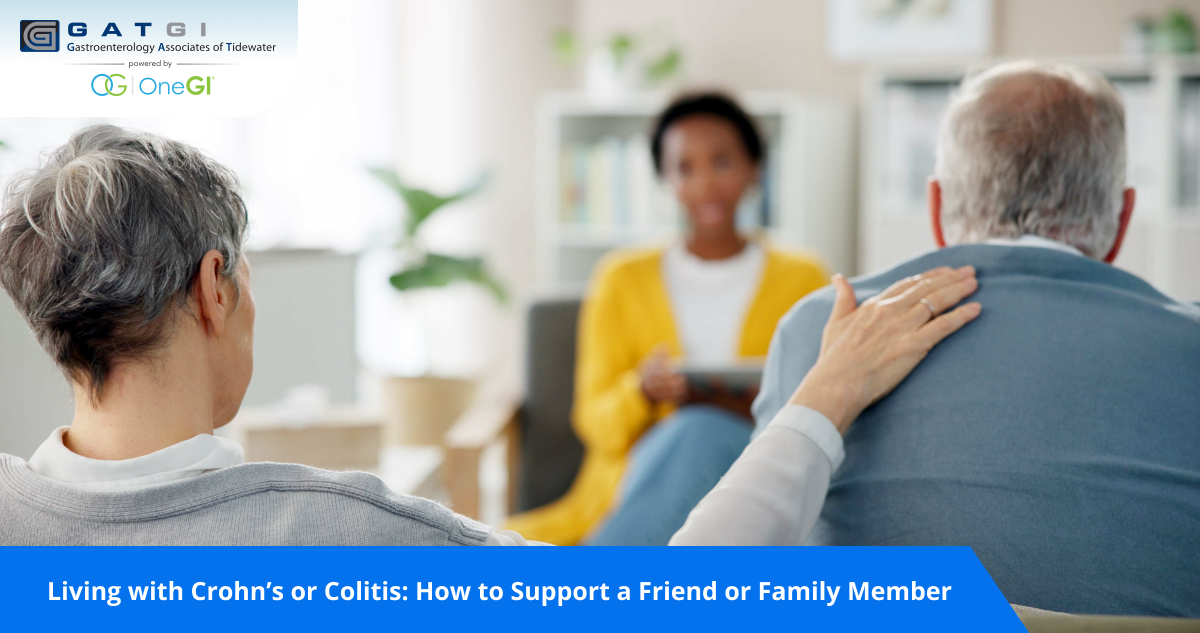
Beyond the physical aspects, emotional support plays a pivotal role in helping someone live with Crohn’s or colitis. It’s easy to overlook, but offering a listening ear can significantly improve a person’s mental and emotional well-being. People with IBD often feel anxious or depressed due to the unpredictability of their symptoms, and knowing they have someone they can confide in can be incredibly reassuring.
For those battling chronic illness, even a small act of kindness can make a world of difference. Whether it’s being there when they need to talk, offering a hug when they’re feeling low, or simply keeping them company during a flare-up, your presence can make them more comfortable than words alone. It’s important to create a safe and accepting space where your loved one feels heard, validated, and supported.
The Lifestyle Challenges of Crohn’s and Colitis
Living with Crohn’s or colitis often requires significant adjustments to one’s lifestyle. For many, managing these diseases means making changes to diet, establishing new routines, and coping with ongoing health challenges. These lifestyle shifts can sometimes feel overwhelming, but with your support, your loved one can navigate these challenges more effectively.
Diet plays a central role in managing IBD. Many people with Crohn’s or colitis must avoid certain foods that could trigger symptoms. As a friend or family member, offering to help with meal planning or preparing meals together can ease some of the stress. Understanding that your loved one may have specific dietary needs shows that you are willing to adapt to help them manage their condition.
In addition to dietary considerations, routine is another significant challenge. The unpredictability of flare-ups means that everyday activities can suddenly be interrupted. Offering to adjust plans or provide flexibility shows your support and understanding. By remaining adaptable, you can combat Crohn’s and colitis lifestyle challenges, allowing your loved one to feel more at ease with their condition.
How to Support a Friend with Crohn’s Disease
Supporting a friend or family member with Crohn’s disease or colitis may feel overwhelming, but your involvement matters more than you realize. Start by offering your time, patience, and a listening ear. When it comes to the day-to-day management of Crohn’s or colitis, consider:
- Offering Practical Help: Whether it’s helping with grocery shopping or assisting with household chores, small gestures can make a significant difference.
- Being a Source of Positivity: Crohn’s and colitis patients often face periods of feeling low or discouraged. Being a source of encouragement, sharing a funny story, or offering a distraction can help lift their spirits.
- Attending Appointments: If they’re comfortable, offering to accompany them to medical appointments can provide comfort and support.
- Respecting Their Needs: Understanding that they may need to take breaks, avoid certain foods, or have specific routines will demonstrate your respect for their condition.
Seeking Professional Help: Scheduling a Gastroenterology Appointment in Chesapeake, VA
While emotional support is essential, it’s equally important for individuals with Crohn’s or colitis to receive professional medical care. Encouraging your loved one to see a GI doctor in Chesapeake, VA, or consult a gastroenterologist is a vital step in managing their condition. Gastrointestinal disease treatment, such as regular check-ups and tailored treatments, can help reduce flare-ups and prevent long-term complications.
A gastroenterology clinic in Chesapeake, VA, can offer valuable support by developing a treatment plan that addresses specific symptoms and guides the management of diet, medications, and lifestyle changes. With the right professional care, people with IBD can live fuller, healthier lives despite their condition.
Getting the Right Support to Manage Crohn’s and Colitis
If you or someone you know is living with Crohn’s disease or colitis, proactive care is crucial. Regular screenings, such as a colonoscopy, are important in detecting potential complications early.
At GATGI, we are committed to providing comprehensive gastrointestinal disease treatment to support those with IBD. By scheduling a gastroenterology appointment in Chesapeake, VA, today, you take an important step in maintaining gastrointestinal health.
Our team of experts is here to help you manage your condition and improve your quality of life. Contact us today to learn more about our service. Make an appointment by calling: (757) 547-0798.