
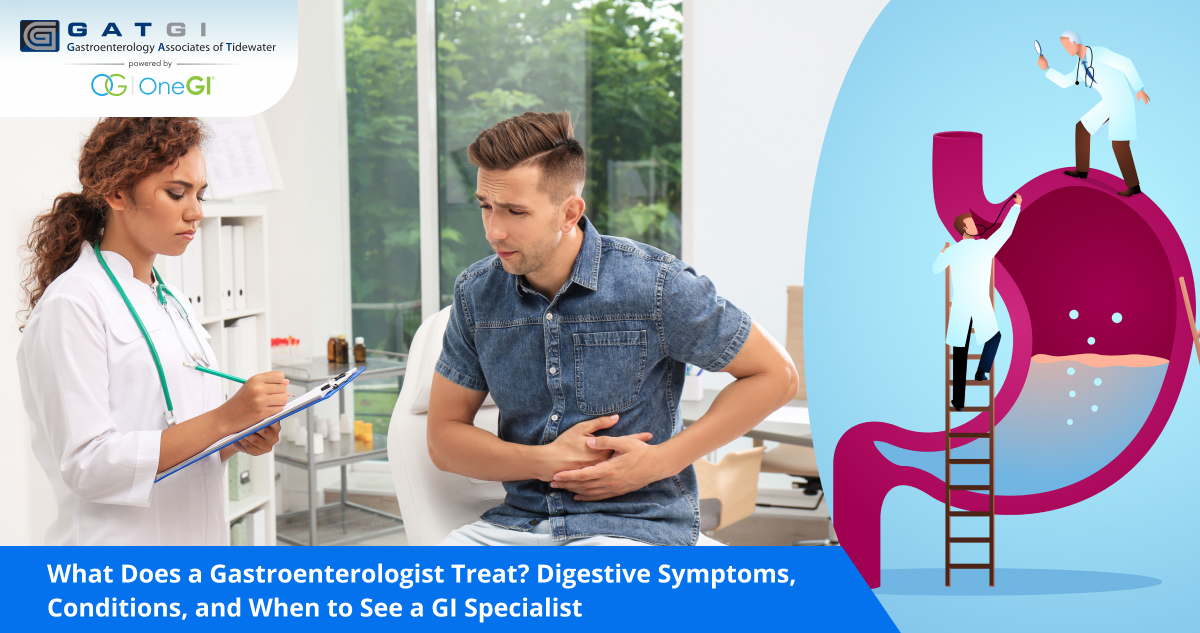
Digestive symptoms can be confusing. Is occasional heartburn something to worry about? What about bloating that keeps coming back, changes in bowel habits, or abdominal pain that does not seem to go away?
Sometimes, digestive symptoms improve with simple changes to your diet or routine. Other times, they may point to an underlying condition that needs a closer look.
That is where a gastroenterologist can help.
A gastroenterologist is a physician who specializes in diagnosing and treating conditions that affect the digestive system. This includes more than the stomach and intestines. Gastroenterologists also care for conditions involving the esophagus, colon, rectum, liver, pancreas, gallbladder, and bile ducts.
This guide explains what gastroenterologists treat, which digestive symptoms may need specialist attention, and what you can expect when you see a GI doctor.
What Does a Gastroenterologist Do?
A gastroenterologist specializes in conditions affecting the gastrointestinal (GI) tract and other organs involved in digestion.
Digestive symptoms are not always easy to trace to one specific cause. Abdominal pain, for example, can occur with several different conditions. The same is true for bloating, diarrhea, constipation, and heartburn.
A gastroenterologist looks at your symptoms, medical history, and other factors to determine what may be causing the problem.
Depending on your symptoms, an evaluation may include a physical exam, blood or stool tests, imaging, or an endoscopic procedure that allows your doctor to look more closely at parts of your digestive tract.
What Parts of the Body Does a Gastroenterologist Treat?
Gastroenterologists care for conditions involving many parts of the digestive system, including the:
- Esophagus
- Stomach
- Small intestine
- Colon and rectum
- Liver
- Gallbladder
- Pancreas
- Bile ducts
These organs work together to digest food, absorb nutrients, and remove waste from the body. When something interferes with this process, you may experience symptoms ranging from mild discomfort to significant changes in your digestive health.
Because different GI conditions can cause similar symptoms, finding the underlying cause is often an important part of determining the right treatment.
What Digestive Symptoms Does a Gastroenterologist Evaluate?
You do not need to know exactly what is causing your symptoms before seeing a gastroenterologist. In fact, identifying the cause is one of the reasons to seek specialized care.
Here are some common digestive symptoms that gastroenterologists evaluate.
-
Persistent Abdominal Pain
Most people experience a stomachache from time to time. However, abdominal pain that keeps returning, lasts longer than expected, or becomes more severe may need further evaluation.
Where the pain occurs, how it feels, when it happens, and whether you have other symptoms can all help your doctor determine the possible cause.
-
Frequent Heartburn or Acid Reflux
Occasional heartburn can happen after a large meal or certain foods. When acid reflux happens frequently, however, it may be a sign of gastroesophageal reflux disease (GERD).
GERD can cause heartburn, regurgitation, chest discomfort, a sour taste in the mouth, and sometimes difficulty swallowing.
If reflux symptoms continue despite lifestyle changes or treatment, a gastroenterologist can evaluate whether further testing or a different treatment approach may be needed.
-
Changes in Bowel Habits
Everyone’s bowel habits are different, and temporary changes can happen because of diet, illness, medication, travel, or stress.
However, persistent or unexplained changes deserve attention. These may include:
- Ongoing diarrhea
- Chronic constipation
- Alternating diarrhea and constipation
- Changes in stool appearance
- Increased bowel urgency
- A persistent feeling that you have not completely emptied your bowels
Conditions such as irritable bowel syndrome (IBS), inflammatory bowel disease (IBD), infections, and other digestive disorders can affect bowel habits.
-
Blood in the Stool or Rectal Bleeding
Blood in or around a bowel movement should not automatically be assumed to be from hemorrhoids.
While hemorrhoids are a common cause of rectal bleeding, other gastrointestinal conditions can also cause bleeding.
If you notice new or unexplained blood in your stool, talk with a healthcare provider about whether further evaluation is needed.
-
Difficulty Swallowing
Do you feel like food gets stuck in your throat or chest when you swallow?
Difficulty swallowing, also known as dysphagia, can be associated with inflammation, narrowing of the esophagus, motility problems, and other esophageal conditions.
Recurring difficulty swallowing should be medically evaluated rather than ignored.
-
Persistent Bloating
Bloating is common, especially after certain meals. But bloating that occurs frequently or is accompanied by abdominal pain, bowel changes, or unexplained weight loss may need a closer look.
IBS, celiac disease, constipation, food intolerances, and other digestive conditions can contribute to ongoing bloating.
-
Unexplained Weight Loss
Losing weight without trying can sometimes indicate an underlying health problem.
Certain digestive conditions can affect appetite, digestion, or the body’s ability to absorb nutrients. If you are losing weight without making changes to your diet or activity level, talk with your healthcare provider.
What Conditions Do Gastroenterologists Treat?
Gastroenterologists diagnose and manage a wide range of digestive conditions. Some are temporary, while others require ongoing treatment and monitoring.
Common conditions include:
-
Gastroesophageal Reflux Disease (GERD)
GERD occurs when stomach contents repeatedly flow back into the esophagus.
Frequent heartburn and regurgitation are common symptoms, but some people may also experience chest discomfort, coughing, or difficulty swallowing.
When reflux happens regularly or does not improve with initial treatment, further evaluation may help determine the next step.
-
Irritable Bowel Syndrome (IBS)
IBS is a common digestive disorder that can cause abdominal pain, bloating, constipation, diarrhea, or a combination of bowel changes.
Symptoms can vary significantly from person to person and may change over time.
Because IBS symptoms can overlap with other GI conditions, an evaluation can help determine whether another condition needs to be ruled out.
-
Inflammatory Bowel Disease (IBD)
Inflammatory bowel disease includes Crohn’s disease and ulcerative colitis.
Unlike IBS, IBD causes inflammation within the digestive tract. Symptoms can include persistent diarrhea, abdominal pain, rectal bleeding, fatigue, and unintended weight loss.
People with IBD often need ongoing gastroenterology care to manage symptoms and monitor the condition.
-
Celiac Disease
Celiac disease is an autoimmune condition in which consuming gluten triggers an immune response that damages the small intestine.
Symptoms vary and may include diarrhea, bloating, abdominal discomfort, fatigue, and nutritional deficiencies.
Proper testing is important because other digestive conditions can cause similar symptoms.
-
Diverticular Disease
Diverticula are small pouches that can develop in the wall of the colon. When one or more of these pouches become inflamed or infected, the condition is called diverticulitis.
Diverticulitis may cause abdominal pain, fever, nausea, and changes in bowel habits.
-
Liver Disease
Gastroenterologists also diagnose and manage conditions affecting the liver, including fatty liver disease, hepatitis, and cirrhosis.
Some liver conditions cause few noticeable symptoms in their early stages. Abnormal liver tests or certain risk factors may lead your healthcare provider to recommend further evaluation.
-
Gallbladder and Bile Duct Conditions
Gallstones and conditions affecting the gallbladder or bile ducts can cause abdominal pain, nausea, and other digestive symptoms.
Depending on the concern, your gastroenterologist may recommend laboratory testing, imaging, or specialized procedures to determine the cause.
-
Pancreatic Conditions
The pancreas produces enzymes that help digest food as well as hormones that help regulate blood sugar.
Gastroenterologists diagnose and manage conditions affecting the pancreas, including pancreatitis and other pancreatic disorders.
-
Colon Polyps and Colorectal Cancer
Gastroenterologists also play an important role in colorectal cancer screening and prevention.
During a colonoscopy, a gastroenterologist examines the lining of the colon for polyps and other abnormalities. Polyps can often be removed during the procedure and sent for further examination. If you want to understand why some polyps require closer attention, learn more about colon polyps and colorectal cancer risk and how early detection can help.
When Should You See a Gastroenterologist?
Not every digestive symptom requires a specialist. Mild symptoms that happen occasionally may improve on their own or with guidance from your primary care provider.
But when symptoms persist, repeatedly return, or begin interfering with your daily life, it may be time for a closer look. Understanding when digestive symptoms need more than diet changes can also help you recognize when medical evaluation may be appropriate.
Consider talking with your healthcare provider or a gastroenterologist if you experience:
- Persistent or recurring abdominal pain
- Frequent heartburn or reflux
- Chronic diarrhea or constipation
- Unexplained changes in bowel habits
- Difficulty swallowing
- Blood in the stool or rectal bleeding
- Unexplained weight loss
- Ongoing bloating accompanied by other digestive symptoms
You may also be referred to a gastroenterologist after abnormal blood work, imaging, or other test results.
Severe abdominal pain, significant gastrointestinal bleeding, or other sudden and severe symptoms may require immediate medical attention.
What Happens When You See a Gastroenterologist?
Seeing a gastroenterologist does not automatically mean you will need a procedure.
Your first visit typically begins with a conversation about what you have been experiencing. Your provider may ask when your symptoms started, how frequently they occur, what makes them better or worse, and whether you have noticed changes in your appetite, weight, or bowel habits.
Your gastroenterologist may also review your:
- Medical history
- Family history
- Current medications
- Previous test results
- Treatments or lifestyle changes you have already tried
From there, your provider can determine whether additional testing is appropriate.
The goal is not simply to manage the symptom. It is to better understand what may be causing it and determine an appropriate next step.
What Procedures Do Gastroenterologists Perform?
Gastroenterologists receive specialized training in endoscopy, which allows them to examine areas of the digestive tract that cannot be fully evaluated through a physical exam alone.
Some common gastroenterology procedures include:
- Upper Endoscopy (EGD): Examines the esophagus, stomach, and beginning of the small intestine.
- Colonoscopy: Examines the colon and rectum for polyps, inflammation, bleeding, and other abnormalities.
- Enteroscopy: Allows the physician to examine portions of the small intestine in greater detail.
- Endoscopic Ultrasound (EUS): Combines endoscopy with ultrasound imaging to obtain detailed images of the digestive tract and nearby organs.
- Endoscopic Retrograde Cholangiopancreatography (ERCP): A specialized procedure used to evaluate and treat certain conditions involving the bile and pancreatic ducts.
During some procedures, gastroenterologists can also take tissue samples, remove polyps, treat bleeding, or perform other interventions.
Your gastroenterologist will determine whether a procedure is appropriate based on your symptoms, medical history, and previous test results.
Why Shouldn’t You Ignore Ongoing Digestive Symptoms?
Digestive symptoms are common, which can make them easy to dismiss.
But there is a difference between feeling bloated after one meal and experiencing bloating, pain, or bowel changes week after week.
Persistent symptoms do not necessarily mean something serious is wrong. However, they may be your body’s way of telling you that it is time to look beyond temporary symptom relief.
Getting evaluated can help identify whether your symptoms are related to a specific digestive condition and what steps may help you manage them.
Key Takeaways
- Gastroenterologists diagnose and treat conditions involving the digestive tract, liver, pancreas, gallbladder, and bile ducts.
- Common reasons to see a GI specialist include persistent abdominal pain, reflux, bowel changes, difficulty swallowing, rectal bleeding, and unexplained weight loss.
- Gastroenterologists treat conditions such as GERD, IBS, IBD, celiac disease, liver disease, diverticular disease, and pancreatic and gallbladder disorders.
- A gastroenterology appointment does not automatically mean you will need a colonoscopy or another procedure.
- Digestive symptoms that persist, worsen, or repeatedly return are worth discussing with a healthcare provider.
Get Answers About Your Digestive Health at GATGI
Living with recurring digestive symptoms can leave you wondering whether what you are experiencing is normal or something that needs medical attention.
At Gastroenterology Associates of Tidewater, our board-certified gastroenterologists help patients understand what may be behind their symptoms and determine the appropriate next steps.
Our team provides care for a wide range of digestive conditions and serves patients in Chesapeake and Virginia Beach.
If digestive symptoms keep coming back or are interfering with your daily life, it may be time to get answers.
Call (757) 547-0798 and request an appointment with GATGI.
Frequently Asked Questions
What are the most common reasons to see a gastroenterologist?
People commonly see gastroenterologists for persistent abdominal pain, frequent heartburn, chronic constipation or diarrhea, changes in bowel habits, difficulty swallowing, rectal bleeding, ongoing bloating, and unexplained weight loss. Gastroenterologists also provide ongoing care for diagnosed digestive conditions.
What organs does a gastroenterologist treat?
A gastroenterologist treats conditions involving the esophagus, stomach, small intestine, colon, rectum, liver, pancreas, gallbladder, and bile ducts.
When should digestive symptoms be checked by a GI specialist?
Consider seeing a gastroenterologist when digestive symptoms persist, keep returning, become worse, or do not improve with initial treatment. Symptoms such as blood in the stool, unexplained weight loss, ongoing bowel changes, and difficulty swallowing should also be discussed with a healthcare provider.
Do I need a gastroenterologist for acid reflux?
Not everyone with occasional heartburn needs to see a gastroenterologist. However, frequent reflux, symptoms that continue despite treatment, or reflux accompanied by difficulty swallowing or other concerning symptoms may need further evaluation.
Does seeing a gastroenterologist mean I will need a colonoscopy?
No. Your gastroenterologist will first review your symptoms, medical history, and any previous testing. A colonoscopy may be recommended when appropriate, but other patients may need blood tests, stool tests, imaging, an upper endoscopy, or no procedure at all.