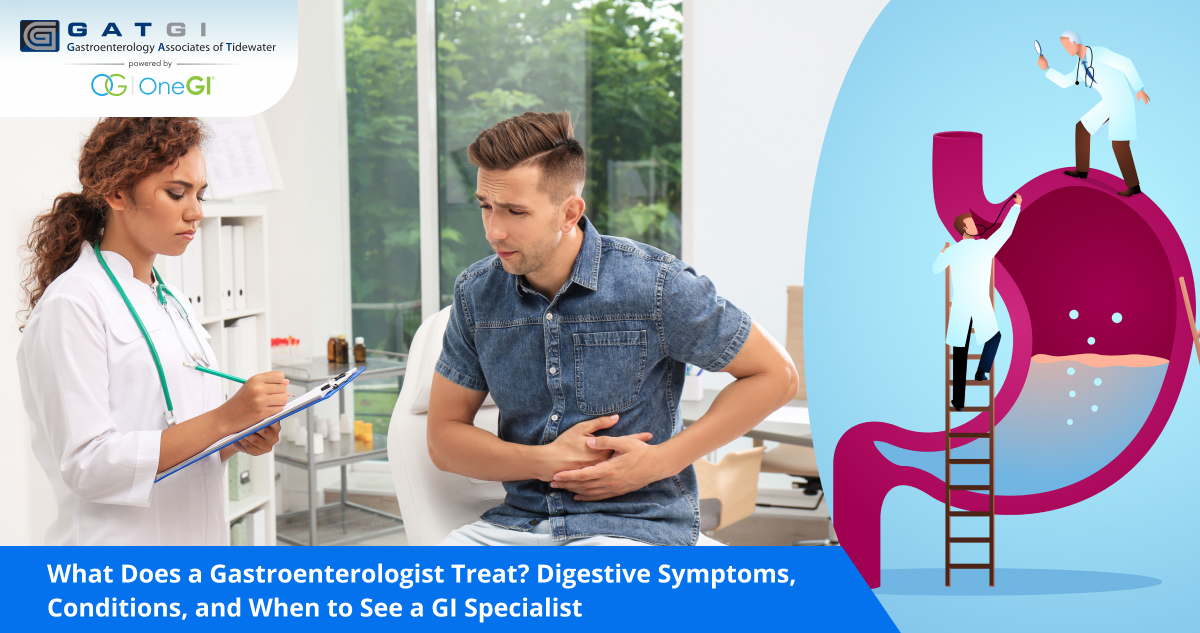

Men often ignore warning signs of internal illness, dismissing chronic abdominal pain or recurrent bloating as a temporary reaction to food. However, persistent digestive changes are rarely random and can frequently signal structural issues.
Delaying medical evaluations allows underlying conditions to advance silently. Understanding common GI problems in men and identifying early signs of gastrointestinal diseases in men is the first step toward reclaiming your health and avoiding severe physical complications.
At GATGI, we are dedicated to helping you catch these subtle signs early, providing expert evaluations you need to address concerns before they escalate.
The Men’s Health Gap in Digestive Wellness
Why do men systematically minimize chronic digestive symptoms?
Societal conditioning often drives men to mask progressive issues with over-the-counter antacids or painkillers. Unfortunately, masking the discomfort delays an accurate medical diagnosis and a proper gastrointestinal disease treatment plan, allowing underlying issues to worsen.
Protecting your long-term metabolic, structural, and immune wellness requires identifying clear symptoms of digestive disorders in men. To explore how your digestive tract functions and learn how to safeguard it, read our specialized patient education resources, and read further to learn about gastrointestinal diseases that men should not ignore.
Gastrointestinal Diseases Men Should Never Ignore
To protect your daily vitality and long-term health, you must be able to recognize the clear, distinct warning signs of deeper digestive complications. Below, we break down the seven essential conditions that require your attention, helping you understand exactly what to watch out for and when to seek expert medical care.
1. GERD (Gastroesophageal Reflux Disease)
Frequent heartburn isn’t just an annoyance; it often points to Gastroesophageal Reflux Disease (GERD). This structural condition occurs when the lower esophageal sphincter fails to close properly, allowing harsh stomach acid to flow backward into the sensitive esophagus.
GERD Symptoms in Men and When to Worry:
- frequent heartburn (occurring two or more times a week)
- difficulty swallowing (dysphagia)
- regurgitation of sour, acidic liquid
- chronic dry cough
Why Men Cannot Afford to Ignore It:
Men have a higher statistical risk of developing Barrett’s Esophagus, which is a pre-cancerous condition caused by chronic acid exposure. If you struggle with chronic acid reflux, finding experienced gastroenterology physicians near you to schedule a professional evaluation is an essential step.
2. Colorectal Cancer
Colorectal cancer stands as a leading cause of cancer-related mortality in men, prompting medical guidelines to lower the initial screening age from 50 to 45. The most challenging aspect is that symptoms of colon cancer in men at the early stage are silent or asymptomatic.
Key Symptoms that May Show at a Later Stage:
- Blood in Stool (bright red streaks or dark, tarry movements)
- Persistent Change in Bowel Habits (narrowing of stool)
- Unexplained Weight Loss (10+ lbs quickly)
- Unexplained Fatigue (anemia)
The Critical Window:
By the time a patient notices changes, the disease may have advanced structurally. Undergoing modern gastroenterology tests and procedures, like a routine preventative colonoscopy, allows specialists to identify and remove precancerous polyps before they transform into aggressive tumors.

Don't Just Brush Off Your Symptoms. Take Control of Your Health Today.
Persistent changes in your digestion are your body's way of telling you something is wrong. Catching problems early makes them much easier to treat:
- Expert Medical Answers: Quick access to the right diagnostic tests so you know exactly what is going on.
- Tailored Recovery Plans: Personalized treatment designed specifically for a man’s body and lifestyle, from simple diet changes to expert medical care.
- Schedule Your Consultation Today to stop small digestive issues from turning into major medical emergencies.
3. Metabolically Dysfunctional-Associated Steatotic Liver Disease (MASLD / NAFLD)
Commonly known as Non-Alcoholic Fatty Liver Disease, MASLD involves excessive fat accumulation within liver cells, independent of alcohol use. This condition is deeply tied to metabolic syndrome, high cholesterol, and poor dietary habits. It progresses silently over the years without causing daily disruptions, yet continuous fat deposition triggers chronic cellular inflammation.
Fatty Liver Disease Symptoms in Men:
- frequently silent, but includes persistent upper right abdominal pain
- chronic fatigue
- unexplained abdominal swelling (bloating)
The Danger of Silent Progression:
Left untreated, this inflammation leads to liver fibrosis, irreversible cirrhosis, or liver failure. Early diagnostic mapping allows for effective lifestyle reversal.
4. Irritable Bowel Syndrome (IBS)
Irritable Bowel Syndrome (IBS) is a functional gastrointestinal disorder where the brain and gut struggle to communicate properly. While many consider IBS a female-dominated condition, millions of men struggle with its chronic symptoms daily.
Key symptoms to watch out for are as follows:
- diarrhea-predominant episodes
- sudden bowel urgency
- sharp abdominal cramping relieved by bowel movements
- mucus in the stool
The Diagnostic Journey
When reviewing IBS symptoms in men vs women, distinct physiological differences emerge. Women are more prone to constipation-predominant symptoms, whereas men are statistically more susceptible to diarrhea-predominant episodes. Establishing an accurate medical history is vital to rule out organic illnesses.
5. Peptic Ulcer Disease (PUD)
Peptic ulcers are painful, open sores that develop directly on the interior mucosal lining of your stomach or upper small intestine. These sores form when the thick, protective layer of mucus shielding your stomach from its own digestive acids becomes dangerously depleted.
Key Symptoms to Watch For:
- gnawing or burning stomach pain after eating (or when empty)
- persistent nausea
- dark/coffee-ground emesis (vomiting)
Common Drivers:
Many people think of peptic ulcers: why is severe stomach burn a red flag? The two main causes are chronic H. pylori bacterial infections and the frequent overuse of over-the-counter NSAID painkillers (like ibuprofen) to manage physical aches. Untreated ulcers can erode deep into blood vessels, causing severe internal bleeding or a dangerous perforation of the stomach wall.
6. Diverticulitis: Understanding Sudden, Severe Abdominal Pain
As men age, processing a low-fiber Western diet puts intense structural pressure on the large intestine. This strain causes small, outward-bulging pouches called diverticula to form along weak points in the intestinal wall. The simple presence of these pouches is diverticulosis, but when waste or bacteria are trapped inside them, it triggers an acute infection called diverticulitis.
Key Symptoms to Watch For:
- sharp, sudden pain on the lower left side of the abdomen
- fever with chills
- acute constipation
The Risk Factors:
A severe diverticulitis flare-up is a true medical emergency that requires immediate antibiotic therapy or urgent surgical intervention to fix a bowel perforation.
7. Inflammatory Bowel Disease (IBD)
It is critical to separate functional issues like IBS from the destructive realities of Inflammatory Bowel Disease (IBD). IBD includes chronic autoimmune conditions, such as Crohn’s disease and Ulcerative Colitis, where the body’s immune system mistakenly attacks healthy digestive tissue.
Key Symptoms to Watch For:
- chronic diarrhea containing pus or blood
- persistent lower abdominal cramping
- night sweats
- recurrent low-grade fevers
Structural Consequences:
Unlike IBS, IBD causes visible, permanent structural damage, deep ulcerations, and intestinal scarring. Over time, this chronic inflammation leads to strictures (narrowed pathways) or fistulas. Managing IBD effectively requires advanced, targeted immune therapies coordinated by an expert clinical team.
Quick Reference: Symptom & Severity Breakdown
| Condition | Critical Early Marker | Primary Risk Driver | Recommended Initial Action |
|---|---|---|---|
| GERD | Heartburn 2+ times/week, dysphagia | Obesity, smoking, and late-night eating | Diagnostic evaluation, lifestyle shifts |
| Early Colon Cancer | Tarry/bloody stool, unexplained weight loss | Age 45+, low fiber, family history | Scheduled Screening Colonoscopy |
| Fatty Liver Disease | Upper right quadrant dull ache, chronic fatigue | Metabolic syndrome, high sugar intake | Liver function blood panel / Ultrasound |
| IBS (Diarrhea-type) | Cramping relieved by bowel movement | Chronic stress, gut motility imbalances | Diet tracking diary, specialist consultation |
| Peptic Ulcers | Gnawing burn when empty, dark vomit | NSAID overuse, H. pylori infection | H. pylori breath test, upper endoscopy |
| Diverticulitis | Acute, sharp lower-left abdominal pain | Low-fiber diet, chronic straining | Urgent medical evaluation, liquid diet |
| IBD | Bloody diarrhea, persistent low fever | Genetic factors, immune dysregulation | Colonoscopy with biopsy, inflammation labs |
Key Takeaways & Actionable Red Flags
While occasional gas or mild indigestion can be safely monitored, certain progressive symptoms serve as critical warning signs that your body is experiencing a severe internal medical issue. If you experience any of these serious stomach issues men should not ignore, skip the waiting period entirely and seek expert medical evaluation immediately:
- Passing clear red blood or dark, sticky, tarry material in your stool
- Vomiting blood or fluid that looks exactly like dark coffee grounds
- An inability to swallow food or liquids without pain or severe choking
- Sudden, excruciating abdominal pain that forces you to double over
- A high, unexplained fever accompanied by acute abdominal tenderness
If you have experienced persistent digestive issues for more than two consecutive weeks, it is time to seek answers. Reach out to our trusted Digestive Disease Center of Virginia to get specialized care and treatment. Pay attention to what your body is telling you and take proactive control of your health today.
Ready to Feel Better? Partner with GATGI Today
Ignoring persistent stomach pain or chronic heartburn won’t make them disappear, but taking action will. At GATGI, we believe true strength means taking proactive control of your wellness. Your digestive system is the foundation of your daily energy and long-term vitality, and you don’t have to navigate structural discomfort alone.
Our premier team of gastrologists in Virginia Beach offers a private, highly personalized environment to provide the precise answers and advanced care you deserve. Don’t wait for manageable symptoms to become a medical emergency. Schedule a consultation today.
Frequently Asked Queries
What is the most common age for men to develop digestive disorders?
While issues like acid reflux can strike anytime, structural risks significantly rise after age 45. This makes routine preventative screenings crucial for catching asymptomatic conditions early.
Can chronic stress cause long-term intestinal damage in men?
Stress triggers chemical changes that disrupt gut motility and worsen conditions like IBS. However, persistent inflammation requires expert diagnostic mapping to rule out hidden, organic illnesses.
How do lifestyle habits directly impact digestive health in men?
Diets low in fiber, chronic dehydration, smoking, and overusing NSAID painkillers put intense pressure on your colon and stomach lining, creating highly preventable health complications.
When should frequent bloating be considered a medical emergency?
If regular bloating is accompanied by sudden, severe abdominal pain, persistent vomiting, or visible blood in your stool, these are digestive diseases that men should not ignore and require immediate care.