Most people wait for pain before they worry about their liver. But your liver rarely hurts, even when something is seriously wrong. So how do you know something’s off before it becomes an emergency?
Recognizing liver disease symptoms early gives you options that waiting simply takes away. This guide walks through the seven warning signs to watch for, why the liver hides trouble so well, and when it’s time to book a visit instead of waiting it out.
‘World Hepatitis Day,’ observed every July 28, is a fitting moment to check in on an organ that rarely asks for attention until it’s overworked.
Why Does Liver Disease Often Go Unnoticed?
Your liver doesn’t have pain receptors the way your skin or muscles do, so it can sustain real damage without sending a clear distress signal. It’s also remarkably good at compensating. A liver can lose a significant portion of its function and still keep you feeling fairly normal, which is part of why early liver damage symptoms are so easy to write off as stress, poor sleep, or a stomach bug.
According to the World Health Organization, most people living with chronic hepatitis B or C don’t know they’re infected because symptoms simply haven’t shown up yet. That gap between infection and awareness is where lasting damage often occurs, which is why it is important to manage your liver health by following expert tips.
What Are the 7 Signs of Liver Disease You Shouldn’t Ignore?
These seven symptoms are the ones gastroenterologists see most often in patients whose liver issues went unnoticed for months or years. None of them guarantees a liver problem on its own, but any one of them persisting for more than two weeks is worth a conversation with a doctor.
1. Persistent Fatigue That Sleep Doesn’t Fix
Ongoing tiredness, even after a full night’s rest, is one of the earliest and most common signs. When the liver struggles to clear toxins and process nutrients efficiently, your whole body feels the drag, not just your energy levels after a busy day.
2. Yellowing of the Skin or Eyes (Jaundice)
Jaundice happens when bilirubin, a waste product your liver normally filters out, builds up in your blood instead. A yellow tint to the skin or the whites of your eyes is one of the clearest liver infection symptoms, and it should never be brushed off, even if it seems mild.
3. Dark Urine or Pale, Clay-Colored Stools
Bile gives stool its normal brown color and helps carry waste out of your system. When bile flow is disrupted, stools can turn pale while urine darkens, since the kidneys pick up bilirubin that the liver can no longer process properly.
4. Abdominal Pain or Swelling on the Upper Right Side
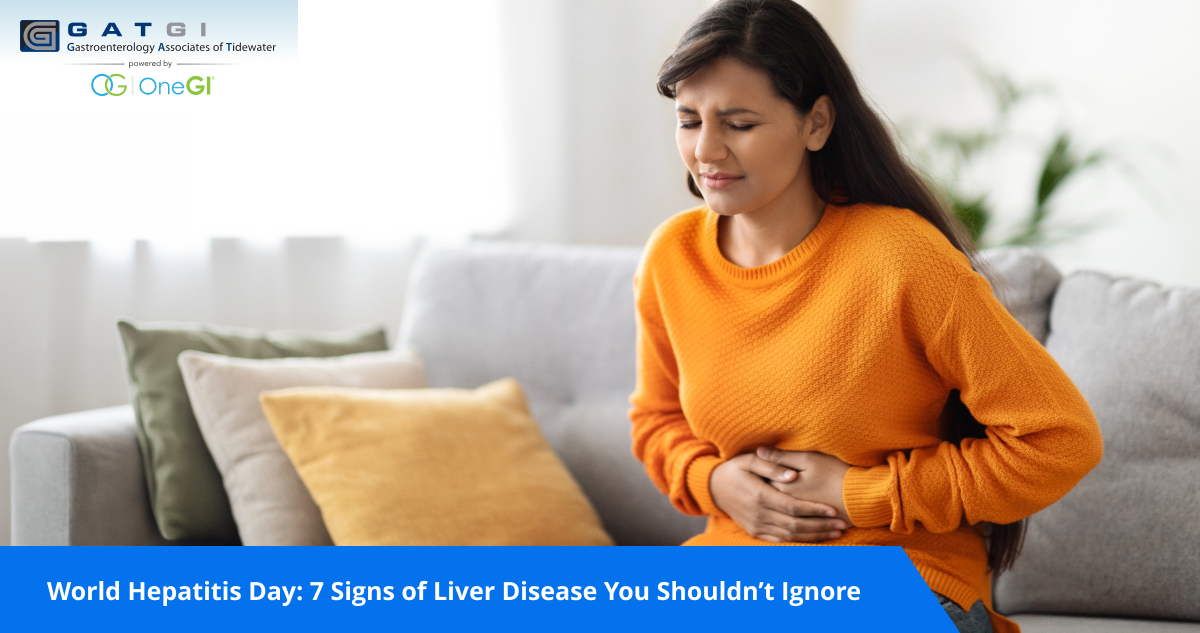
A dull ache, fullness, or visible swelling under your right ribs can point to an enlarged liver or fluid buildup. This is one of the more noticeable liver problem symptoms, and it tends to show up once inflammation has been present for a while.
5. Unexplained Nausea or Loss of Appetite
Ongoing nausea, especially paired with a shrinking appetite, often reflects a buildup of substances the liver would normally clear. It’s easy to blame diet or stress, but if it lingers beyond a couple of weeks, it deserves a closer look.
6. Persistent Itching Without a Rash
When bile acids accumulate in the bloodstream, they can trigger a deep, whole-body itch that isn’t tied to any visible skin condition. It often gets worse at night and doesn’t respond to typical moisturizers or antihistamines.
7. Easy Bruising or Unusual Bleeding
Your liver produces the proteins responsible for blood clotting. When liver function declines, even minor bumps can cause bruises, and small cuts may take longer to stop bleeding. Left untreated, this progression can eventually point toward liver failure symptoms, which is why catching it early matters so much.
Your Liver Health Deserves Attention Before Symptoms Become Serious
Liver conditions can develop quietly, and many people do not notice warning signs until the disease progresses. A liver screening with GATGI’s gastroenterology specialists can help identify potential concerns early and provide clear next steps for your health.
- Evaluate common warning signs like fatigue, jaundice, abdominal swelling, or unexplained changes
- Get expert guidance with liver function testing and diagnostic evaluation when needed
- Receive a personalized care plan based on your liver health needs
Quick Reference: Symptom Severity Breakdown
One rule matters more than any other here: any yellowing of the skin or eyes should always be evaluated promptly, no exceptions. The table below breaks down the rest.
| Symptom | When It’s Likely Mild | When It Needs Prompt Care |
| Fatigue | Improves with rest over a few days | Persists for 2+ weeks despite adequate sleep |
| Jaundice | Never mild; always evaluate | Any yellowing of the skin or eyes |
| Urine/stool color change | Brief, tied to dehydration | Lasts more than a few days |
| Abdominal pain | Comes and goes, linked to meals | Constant, or paired with swelling |
| Nausea | Occasionally, resolves in a day | Daily, with appetite loss |
| Itching | Localized, tied to dry skin | Widespread, worse at night, no rash |
| Bruising/bleeding | Rare, minor bumps | Frequent, unexplained, slow to heal |
What Should You Do If You Notice These Signs?
A short self-check can help you decide how quickly to act:
- Has the symptom lasted longer than two weeks? That’s a reason to schedule an evaluation.
- Are you noticing two or more signs at once? Combinations carry more weight than a single symptom alone.
- Is there any yellowing of the skin or eyes? This warrants prompt attention, regardless of how mild it may seem.
- Do you have risk factors like heavy alcohol use, unmanaged diabetes, or a family history of liver disease? Lower your threshold for getting checked.
Simple blood work and imaging, such as a liver panel or an ultrasound, can usually answer the question quickly. There’s rarely a downside to checking early, but there can be a real cost to waiting.
Additional Facts You Must Know About Liver Diseases!
The facts below highlight the significance of conducting a liver health assessment as early as possible.
- The World Health Organization reports that most people living with chronic hepatitis B or C worldwide are unaware of their infection, largely because symptoms take years to appear. (Source)
- Health officials estimate that someone dies from hepatitis-related complications, including cirrhosis and liver cancer, roughly every 30 seconds worldwide. (Source)
When Should You See a Gastroenterologist for Liver Symptoms?
If you’re experiencing any of the signs above, especially jaundice, persistent fatigue, or unexplained bruising, it’s worth talking to a specialist rather than waiting to see if things improve on their own. At GATGI, we offer:
- Accurate Diagnosis: Liver panels and imaging to identify the root cause.
- Specialist Evaluation: Board-certified gastroenterologists who read the full picture, not just one symptom.
- Timely Next Steps: A clear plan before minor changes become bigger problems.
Our gastroenterologists in Chesapeake, Virginia, can order the right diagnostic panels to find out exactly what’s going on.
Your Liver Infection Could be Hepatitis – Take Action Today!
Liver disease rarely announces itself loudly, which is exactly why paying attention to the quiet signs matters. On World Hepatitis Day, GATGI is issuing urgent calls to break down the barriers that prevent access to advanced testing and treatment and to eliminate hepatitis as a public health threat.
Our board-certified gastroenterologists in Chesapeake and Virginia Beach can help patients get clear answers early, not after a crisis. Know the signs, trust what your body is telling you, and don’t wait for pain that may never come. To schedule an evaluation, call (757) 547-0798.
FAQs
Can liver disease symptoms come and go, or are they always constant?
Yes, symptoms like fatigue or nausea can fluctuate day to day. That inconsistency is part of why people delay seeking care, but intermittent symptoms still warrant evaluation if they keep returning.
Are liver disease symptoms different in men and women?
Underlying causes can differ, but the core warning signs, fatigue, jaundice, and digestive changes, present similarly across genders. Risk factors like alcohol use or metabolic conditions tend to drive the variation more than biological sex.
Can you have liver damage with completely normal blood test results?
Yes, especially in early stages. Liver enzymes can appear normal even as fat or inflammation builds up, which is why imaging is sometimes recommended alongside blood work for a fuller picture.
Is liver disease reversible if caught early?
Many early-stage conditions, including fatty liver disease, can improve significantly with lifestyle changes and medical guidance. Once scarring, or cirrhosis, develops, damage becomes much harder to reverse.
Does mild alcohol use still put your liver at risk?
Risk depends on frequency, amount, and individual liver health, not just whether drinking is “heavy.” Combining alcohol with obesity, diabetes, or certain medications can raise the risk even at moderate intake levels.