A colonoscopy screening is one of the most important procedures you can undergo for your health, particularly when it comes to preventing colorectal cancer. By scheduling a colonoscopy, you’re taking a proactive step towards a healthier tomorrow. Early detection of abnormalities in the colon, including polyps or signs of cancer, can significantly improve your chances of successful treatment. Learn why this procedure is vital and how it can help detect potential digestive issues before they become major health concerns.
What is a Colonoscopy?
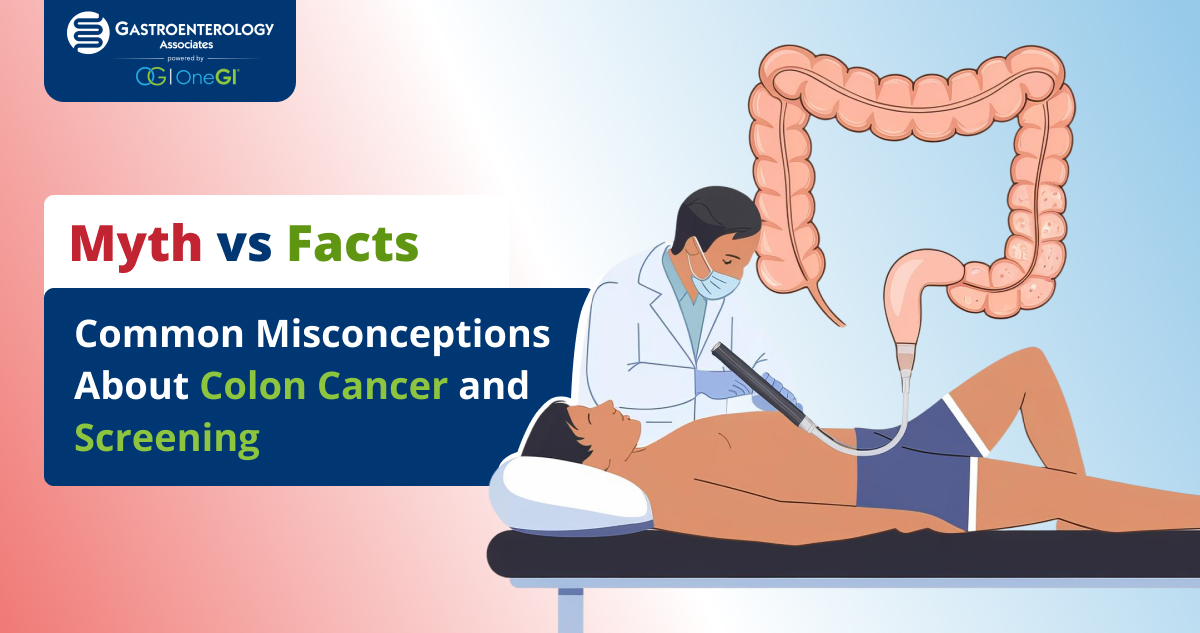
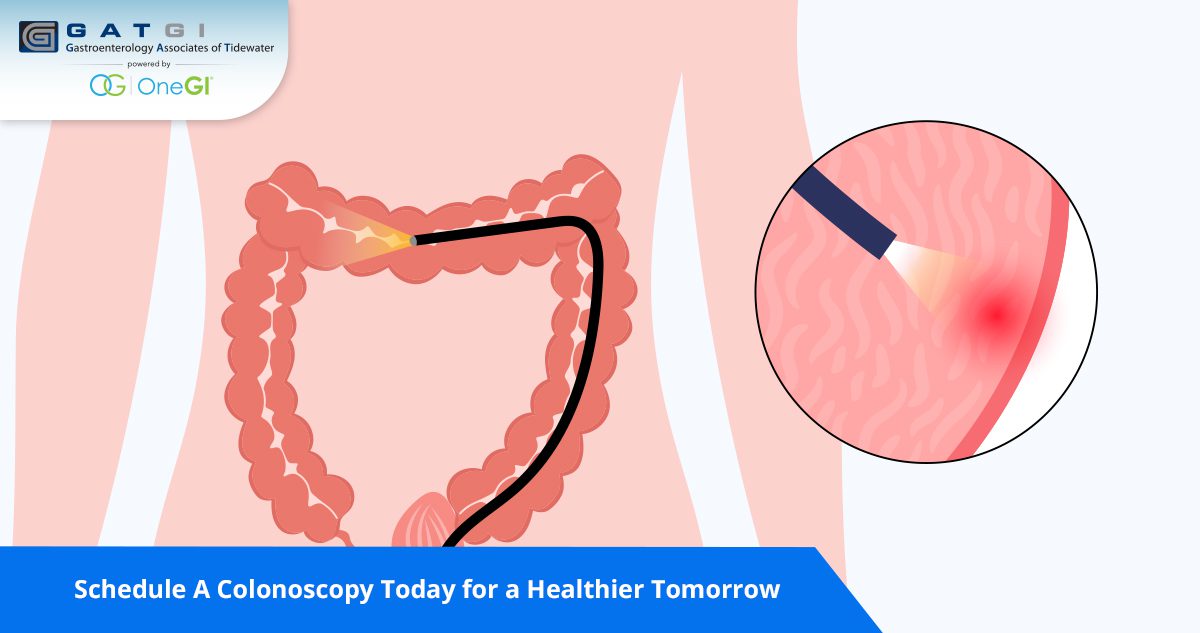
A colonoscopy is a medical procedure that involves the examination of the inner lining of the large intestine (colon) and rectum using a long, flexible tube equipped with a camera, known as a colonoscope. This procedure allows doctors to identify abnormal growths, inflammation, or other changes in the colon that may indicate the beginning stages of colorectal cancer or other gastrointestinal diseases. Typically, the colonoscopy procedure takes about 30 to 60 minutes to complete, although patients should expect additional time for preparation and recovery. With proper safeguards in place, this minimally invasive procedure can provide vital insights into one’s digestive health.
Four Compelling Reasons to Get a Colonoscopy
Recognizing the significance of regular health screenings, here are five compelling reasons why scheduling a colonoscopy should be at the top of your health checklist.
1. Detect Colon Cancer Early
A colonoscopy screening is crucial for early colorectal cancer detection and prevention. The American Cancer Society notes that regular screenings improve survival rates, with a 90% five-year survival rate for localized cancer. Colonoscopies examine the inner lining of the colon and rectum, detecting abnormalities like polyps that could become cancerous. By identifying and removing polyps before they become cancerous, colonoscopies play a crucial role in cancer prevention. Adults over 45 are advised to begin regular screenings, significantly enhancing health outcomes by addressing issues early and preventing serious diseases. This proactive measure is invaluable for maintaining long-term health and reducing cancer risks. For many, the peace of mind that comes from knowing they’re taking active steps to prevent disease is motivation enough to schedule that appointment.
2. Examine Gastrointestinal Symptoms
A colonoscopy is an essential diagnostic tool for addressing various intestinal issues and diagnosing digestive disorders. It is particularly useful if you experience symptoms such as abdominal pain, rectal bleeding, or chronic diarrhea, allowing your doctor to investigate potential underlying causes. By providing a clear view of the colon, it can help identify abnormalities and ensure prompt addressing of concerning conditions for better health outcomes. Beyond cancer detection, colonoscopies are valuable for diagnosing digestive disorders like Crohn’s disease, ulcerative colitis, and diverticulosis. Early diagnosis can lead to effective management and treatment, improving quality of life, as these disorders can significantly impact daily activities; addressing them promptly is crucial for maintaining overall health.
3. Consider Your Family History of Digestive Health Issues
Understanding your family history is vital when it comes to scheduling a colonoscopy. If you have a family history of digestive health issues, such as colorectal cancer, inflammatory bowel disease, or other gastrointestinal disorders, it becomes increasingly important to discuss these factors with your healthcare provider. Genetic predispositions can significantly elevate your risk of developing similar conditions, making regular screenings essential. Many experts recommend that individuals with a family history begin screening at a younger age than the typical recommendation of 45 years. By identifying any familial risk factors, you can take proactive steps towards monitoring your digestive health, ensuring that any potential issues are caught early and managed effectively.
4. High Incidences in Hampton Roads
Residents of Hampton Roads, Virginia, face higher incidences of colorectal cancer compared to national averages. Studies have shown that this region has a significant cluster of cases, with women being most affected. Socioeconomic factors and limited access to healthcare contribute to this worrying trend. By raising awareness and encouraging regular colonoscopies, we can work towards reducing these statistics and improving health outcomes for the community.
Why is Colonoscopy Important?
A colonoscopy is crucial for maintaining your long-term health. It helps detect early signs of colorectal cancer, which can save lives when caught early. A colonoscopy for colon cancer prevention is done by doctors to examine the colon and rectum for any abnormalities that might signal potential health concerns. By removing polyps or identifying cancer at an early stage, colonoscopies offer a proactive approach to digestive health. It is also essential for diagnosing conditions like Crohn’s disease and ulcerative colitis.
When Should You Get a Colonoscopy?
A colonoscopy screening is typically recommended starting at age 45, but certain factors may require earlier screening. Consult your doctor to determine the right timing based on your individual health.
- Family history of colorectal cancer or digestive issues
- Unexplained weight loss or rectal bleeding
- Symptoms such as chronic diarrhea, abdominal pain, or blood in your stool
- If you’re at higher risk due to personal or family health history
Act Now for Early Detection and Protect Your Digestive Health Before Symptoms Escalate
Early detection is your best defense against colorectal cancer. If you're noticing any warning signs, our team at GATGI is here to help:
- Open Access Colonoscopy: Get fast-track access to screening, no pre-consultation required if you qualify.
- Personalized Risk Assessment: We provide tailored evaluations, especially for young adults with a family history or lifestyle factors.
How Often Should You Get a Colonoscopy?
Once you reach the age of 45, it’s recommended to undergo a colonoscopy every 10 years, provided that your results are normal and you don’t have additional risk factors. If you have a family history of colorectal cancer or digestive issues, you may need to have screenings more frequently. It is essential to check the colonoscopy 45 age guidelines to ensure you stay protected from any life-threatening ailment.
Your doctor will help determine the optimal schedule based on your health status and medical history. Regular colonoscopies are vital to detect problems early and ensure you’re taking the necessary steps to protect your health.
What Does a Colonoscopy Detect?
A colonoscopy is highly effective at detecting abnormalities in the colon and rectum, including polyps, tumors, and inflammation. It is especially important for early detection of colorectal cancer, as polyps can be removed before they turn cancerous. Colonoscopies can also identify conditions such as Crohn’s disease, diverticulosis, ulcerative colitis, and gastrointestinal bleeding. Early detection can significantly improve treatment outcomes and quality of life, making regular screenings vital for health management.
Is Colonoscopy Necessary Without Symptoms?
Even without symptoms, a colonoscopy is an essential preventive measure for individuals over 45 or those with a family history of colorectal cancer. Colorectal cancer often develops without noticeable symptoms in the early stages. By undergoing routine colonoscopies, you can catch potential problems early, even before symptoms arise, and take action before a condition progresses to a more serious stage. Early detection plays a key role in preventing the development of severe health issues.
Why is Early Colon Cancer Detection Test Essential?
Colonoscopy is the most reliable method for detecting early colon cancer. During the procedure, doctors can spot small polyps that may develop into cancer over time. Removing these polyps during the colonoscopy prevents the progression to cancer. The American Cancer Society recommends that individuals start screening at age 45, especially if they have a higher risk due to family history or lifestyle factors. Detecting cancer in its early stages significantly improves treatment outcomes and survival rates.
When to Consider Colonoscopy for Digestive Symptoms
If you experience symptoms like abdominal pain, chronic diarrhea, or rectal bleeding, a colonoscopy can provide a detailed view of your colon and help diagnose any underlying issues. Colonoscopy, along with other gastrointestinal tests and procedures, is crucial for investigating digestive disorders such as inflammatory bowel disease, irritable bowel syndrome, and gastrointestinal bleeding. These screenings offer valuable insights into digestive health and help doctors pinpoint the causes of troubling symptoms, leading to effective treatment plans and improved health.
Act Now for a Healthier Future – Schedule a Colonoscopy at the Best GI Near You!
It is essential to schedule a colonoscopy to protect your long-term health, particularly for colorectal cancer prevention. Don’t wait for symptoms to appear; take a proactive approach to your health by scheduling routine screenings.
Early colonoscopy benefits, so make sure to schedule your colonoscopy today for a healthier tomorrow. Remember, early detection saves lives, and with advancements in technology, the process is more accessible and comfortable than ever.
Frequently Asked Questions
Is a colonoscopy painful, and will I be awake?
Most patients feel no pain. The procedure is typically performed under “twilight sedation” or monitored anesthesia, ensuring you are deeply relaxed or asleep. You may experience mild bloating afterward as the air used during the exam dissipates.
What happens if my doctor finds a polyp during the procedure?
If a polyp is discovered, your gastroenterologist can usually remove it immediately using tools passed through the colonoscope. This painless process, called a polypectomy, is the primary way colonoscopies prevent cancer from developing.
How is a colonoscopy different from an at-home stool test?
Stool tests only detect signs of existing cancer, while a colonoscopy is the “gold standard” because it can both find and remove precancerous polyps. If a stool test returns positive, a colonoscopy is still required.
What should I expect during the “prep” phase the day before?
Preparation involves a clear liquid diet and a prescribed laxative solution to clear the colon. This ensures the doctor has a clear view of the lining. Following these instructions precisely is vital for an accurate screening.