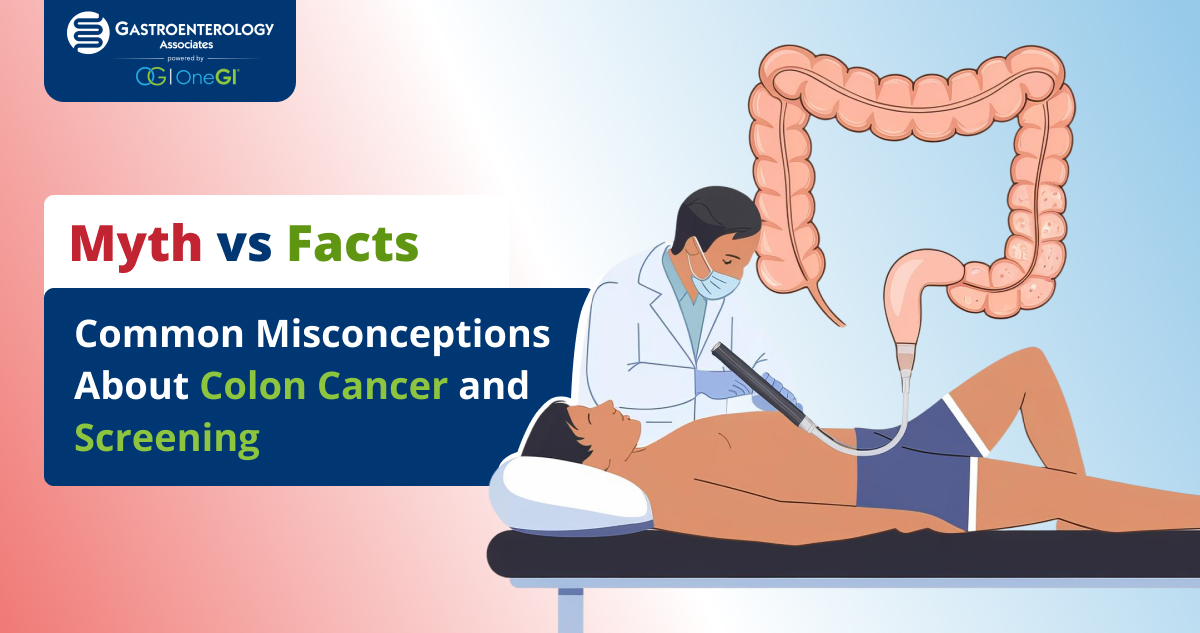
Colon cancer is a leading cause of death, but early screening can save lives. Unfortunately, many people avoid screenings due to common misconceptions about the disease. Some believe that colon cancer is only a concern for older adults, while others fear that screenings are painful or invasive.
In reality, colon cancer cases are on the rise in adults under 50, and early detection, often before symptoms appear, via gastroenterology tests and procedures, starting at age 45, offers survival rates over 90%. By debunking these colon cancer screening myths, we can encourage more people to get screened and potentially save lives.
This article aims to clear up the confusion around colon cancer and screenings by addressing the most widespread myths and sharing the facts you need to make informed decisions about your health. With March being Colorectal Cancer Awareness Month, it’s a timely reminder to learn the truth and take proactive steps toward prevention.
What is Colorectal Cancer?
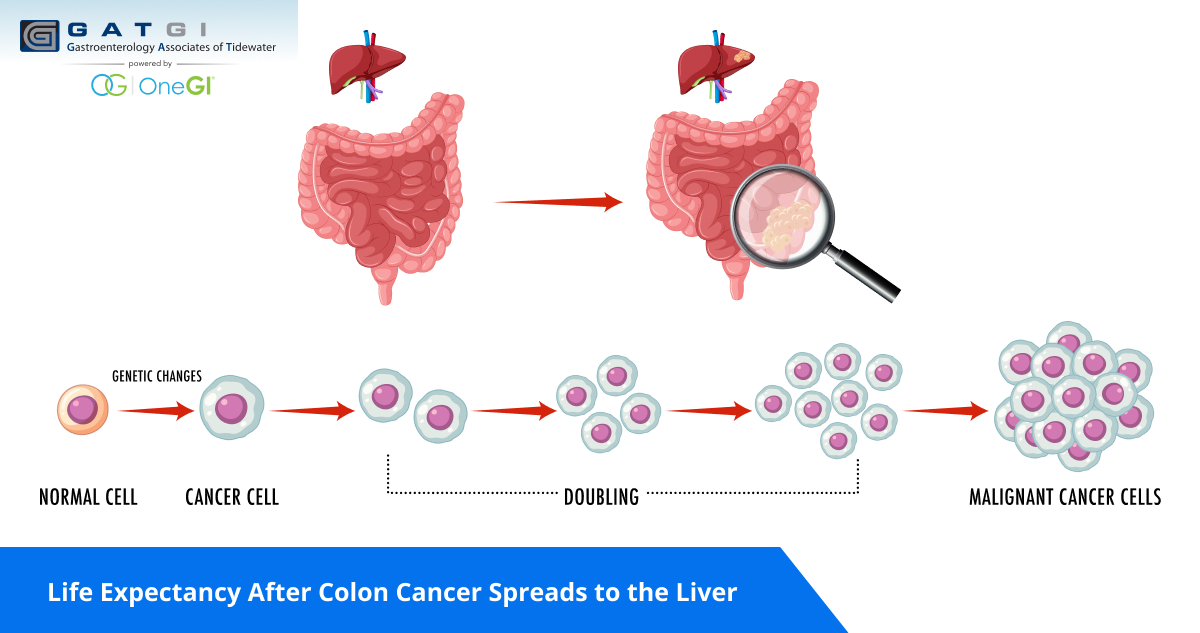
Colorectal cancer is a type of cancer that begins in the colon or rectum, parts of the large intestine. It typically develops from abnormal growths called polyps, which can become cancerous over time. This cancer is highly preventable with early screening and is treatable, especially when detected in its early stages. Symptoms may include changes in bowel habits.
What are Some Common Misconceptions About Colon Cancer?
Common misconceptions about colon cancer include the belief that it only affects older individuals, is primarily a male disease, or that a family history is necessary for risk. In reality, cases are increasing among younger adults; they are highly preventable through screening (such as colonoscopies) starting at age 45, and treatable if caught early. Here are some of the most frequent myths:
- Only Older Adults Are Affected: While age is a risk factor, there has been a notable increase in cases among younger and middle-aged adults.
- It Affects Only Men: Colorectal cancer affects both men and women almost equally.
- No Family History Means No Risk: About 30% of new cases occur in people with no known family history or other risk factors.
- Symptoms Are Always Present: Early-stage colorectal cancer often presents no symptoms, so waiting for signs could result in missing the critical window for detection.
- Colonoscopies Are Too Painful/Dangerous: Colonoscopies are a safe, routine procedure that not only detects but also prevents cancer by removing polyps.
- It’s Always Fatal: Colorectal cancer is highly treatable and curable, especially when detected early.
- Only Colonoscopies Are Effective: While colonoscopies are the gold standard, there are other screening methods, such as stool-based tests, which may still require follow-up colonoscopies if polyps are found.
What Are the Common Myths About Colon Cancer and the Truth Behind Them?
Understanding the truth behind common colon cancer myths vs. facts can help save lives. Early screenings, starting at 45, significantly improve detection and survival rates.
Myth: Colon cancer only affects older, white men.
Fact: Colon cancer impacts people of all genders, races, and ethnicities. Both men and women are at risk, with 1 in 23 men and 1 in 26 women developing the disease.
Myth: Only people with a family history get colon cancer.
Fact: Around 75% of new cases occur in individuals with no known family history or risk factors.
Myth: If there are no symptoms, you don’t need a screening.
Fact: Early-stage colon cancer often shows no symptoms. Screening (starting at age 45) can detect and remove precancerous polyps before they cause issues.
Myth: Colonoscopies are painful, embarrassing, or too risky.
Fact: Colonoscopies are generally painless (performed under sedation) and are one of the safest and most effective cancer prevention tests available.
Myth: Colon cancer is always fatal.
Fact: Early detection greatly improves outcomes, with a survival rate over 90%.
Myth: Young people don’t get colon cancer.
Fact: Rates of colorectal cancer are rising among younger adults, which is why screening now begins at age 45.
Myth: A healthy lifestyle means I don’t need to worry about diet.
Fact: A diet high in red/processed meats and low in fiber, along with smoking and lack of exercise, increases colon cancer risk significantly.
Colon Cancer Early Detection Facts You Must Know
Colon cancer is highly treatable when caught early, with a 5-year survival rate of up to 94% for cancers detected in the localized, early stages. Regular screenings, starting at age 45, are essential because early-stage cancers or precancerous polyps often have no noticeable symptoms. Common symptoms, if present, include rectal bleeding, changes in bowel habits, and ongoing abdominal discomfort.
Here are the major early detection facts you must know!
- Screening Starts at 45: Due to an increase in cases among younger adults, current guidelines recommend that average-risk individuals begin screening at age 45.
- Polyps to Cancer: Colorectal cancer usually begins as polyps, abnormal growths that take years to evolve into cancer. Regular screenings can identify and remove these polyps before they develop into cancer.
- High Survival Rate: If diagnosed early (Stage I/II), the 5-year survival rate for colon cancer is 94%.
- Symptoms May Not Appear: In the early stages, colon cancer often presents no symptoms, making regular screenings the most effective method for early detection.
- Screening Options: Screening options include colonoscopy (the most comprehensive), stool-based tests (like FIT and gFOBT), and virtual colonoscopy (CT colonography).
Is there Any Truth About Colon Cancer and Age?
Yes, there is substantial, evidence-based data linking colon cancer to age, but this connection is evolving. While more than 75% of cases occur in individuals aged 55 and older (with a median age of 66), there has been a significant rise in cases among adults under 50, making it a leading cause of cancer-related deaths in younger populations.
Here are the important key facts:
| Key Facts About Colon Cancer and Age | Details |
|---|---|
| Traditional Risk (50+) | Risk increases significantly with age, especially after 50, with a major spike around age 59. |
| Rising Risk (<50) | Colon cancer rates have been steadily increasing among adults under 50 since the 1990s, with 1 in 5 new cases now in people under 55. |
| Why the Increase? | The rise may be linked to factors such as sedentary lifestyles, diets high in processed foods, and possibly genetic factors. |
| Symptoms in Younger Adults | Younger adults are often diagnosed at later stages because symptoms like rectal bleeding or abdominal pain are frequently dismissed. |
| Screening Guidelines | Due to the rising risk, major health organizations recommend starting regular colonoscopy at age 45 for average-risk individuals. |
What Colon Cancer Prevention Facts You May Follow Today!
Colon cancer is highly preventable with regular screenings beginning at age 45, as 90% of cases originate as polyps that can be removed before turning cancerous. Key prevention strategies include maintaining a healthy weight, staying active, eating a fiber-rich diet (including fruits, vegetables, and whole grains), limiting red/processed meats, avoiding tobacco, and reducing alcohol intake.
Important colon cancer prevention facts are:
- Screening is Key: Regular screenings (colonoscopy or stool tests) starting at age 45 are essential, as they can identify and eliminate precancerous polyps early.
- Healthy Eating: A diet rich in fruits, vegetables, and whole grains lowers risk. It’s advisable to limit red meat (such as beef and lamb) and processed meat (such as bacon, sausage, and hot dogs).
- Exercise and Weight Management: Engaging in regular physical activity and maintaining a healthy weight are important for reducing the risk of colon cancer.
- Lifestyle Factors: Smoking significantly raises the risk of colon cancer. Reducing alcohol consumption (ideally one drink per day for women and two for men) can help prevent it.
- Prevention Statistics: Up to 90% of colorectal cancers can be avoided through proper lifestyle choices and regular screenings.
- Medication Insights: Studies suggest that taking aspirin or other NSAIDs regularly may help reduce the risk of polyps and cancer, but always consult a doctor due to potential side effects.
- Age Considerations: While 45 is the recommended age for average-risk individuals to start screenings, those with a family history or conditions like inflammatory bowel disease (IBD) should begin earlier.
Your Health is Worth the Investment. Schedule Your Colonoscopy at GATGI Today!
Colon cancer is highly preventable through early screening, especially when detected before symptoms appear. By scheduling regular screenings starting at age 45, you can reduce your risk and significantly increase your chances of survival. Don’t wait, and take control of your health today.
If you need a trusted specialist, schedule a colonoscopy with a GI doctor in Chesapeake, Virginia, and take the first step towards a healthier future. For gastroenterology in Chesapeake, VA, call 757-547-0798.
FAQs
Is a colonoscopy covered by insurance if I have no symptoms?
Yes. Under the Affordable Care Act, most private insurance plans and Medicare cover “screening” colonoscopies for average-risk individuals aged 45–75 at 100%, meaning no out-of-pocket costs or co-pays.
What is the difference between Cologuard and a colonoscopy?
Cologuard is a non-invasive stool test that detects cancer DNA, but it cannot prevent cancer. Conversely, a colonoscopy is the “gold standard” because it allows doctors to remove precancerous polyps during the procedure.
How often do I need a colonoscopy if my results are normal?
If your colonoscopy shows no polyps and you have no family history of the disease, the standard recommendation is to repeat the procedure every 10 years to maintain effective long-term prevention.
What should I eat (or avoid) during colonoscopy preparation?
Three days prior, switch to low-fiber foods like white bread and poultry. The day before, consume only clear liquids (broth, apple juice) and avoid anything with red or purple dyes, which mimic blood.