
Every year on World Hepatitis Day, healthcare providers and patients across the globe raise awareness about viral hepatitis and its impact on liver health. At Gastroenterology Associates of Tidewater, we believe that prevention is the best defense. This World Hepatitis Day 2025 prevention guide offers a simple but essential checklist to help protect your liver and reduce your risk of hepatitis infection.
Why Liver Health Matters
If you’re wondering how to protect your liver, the good news is that small, consistent steps can make a big difference. This blog shares effective strategies that also support hepatitis prevention and act as a practical hepatitis prevention checklist you can follow year-round.
Your liver is responsible for over 500 vital functions, from filtering toxins and breaking down medications to producing proteins and storing nutrients. Yet many people don’t realize their liver is at risk until damage has already occurred. Hepatitis—especially if undiagnosed or untreated—can lead to long-term liver disease, cirrhosis, or even liver cancer.
Whether you’re already working with a gastroenterology Virginia Beach provider or just starting to think about your liver health, these liver protection tips will help you stay proactive.
Hepatitis Prevention Checklist: 8 Key Tips
Protecting your liver doesn’t have to be complicated. Use this straightforward checklist to lower your risk of hepatitis and support long-term liver health.
1. Get Vaccinated
Vaccines are available for both Hepatitis A and Hepatitis B. Talk to your doctor about your risk factors and whether you’re up to date on your shots. Vaccination is especially important for healthcare workers, international travelers, and those with chronic liver conditions.
2. Know the Types of Hepatitis
There are five main hepatitis viruses: A, B, C, D, and E. In the U.S., Hepatitis B and C are the most common types leading to chronic liver disease. Learn more about hepatitis types from the CDC.
3. Get Tested
Millions of people are living with Hepatitis B or C and don’t know it. If you’re over 18, have a history of injection drug use, or were born between 1945 and 1965, screening is recommended. Early detection allows for early intervention and treatment.
4. Avoid Sharing Needles or Personal Items
Hepatitis can be transmitted through blood and body fluids. Avoid sharing razors, toothbrushes, or needles. Always use sterile equipment if you’re getting a tattoo or piercing.
5. Practice Safe Sex
Use condoms and get tested regularly. Hepatitis B can be transmitted through sexual contact, especially when other STIs are present.
6. Limit Alcohol Use
Excessive alcohol can damage your liver, even without hepatitis. If you’re already managing a gastrointestinal disease treatment plan or have a history of liver issues, talk to your doctor about safe alcohol limits or whether you should avoid it altogether.
7. Be Cautious With Medications and Supplements
Over-the-counter pain relievers, herbal supplements, and even certain prescription drugs can strain your liver. Follow dosage directions carefully and talk with your doctor before starting anything new.
8. Maintain a Liver-Friendly Lifestyle
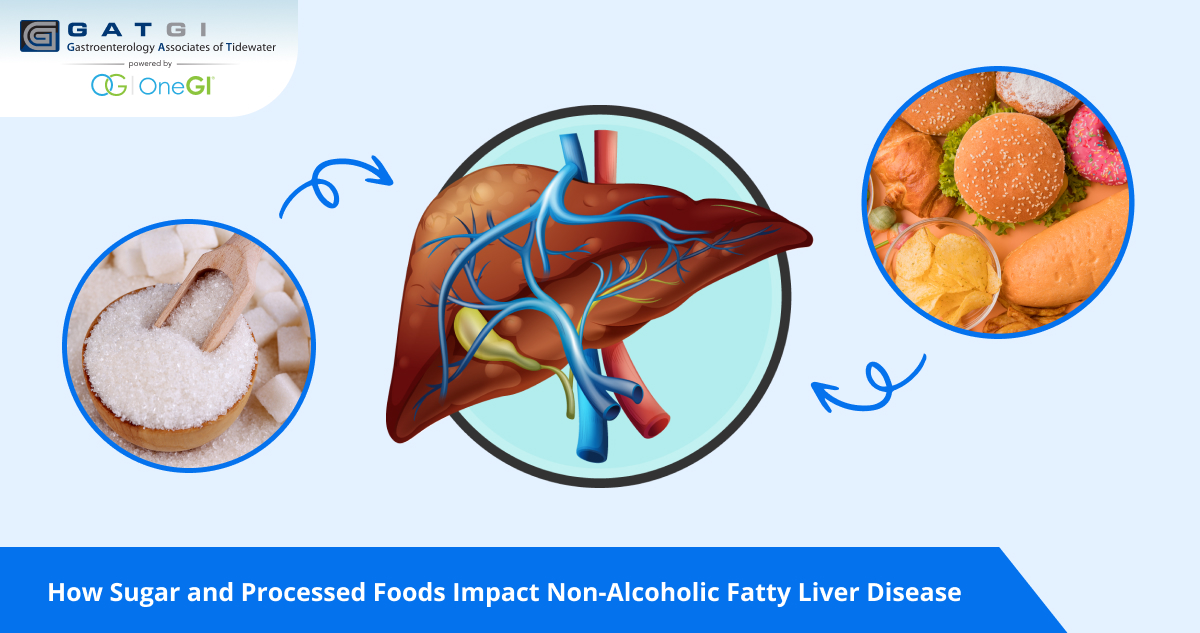
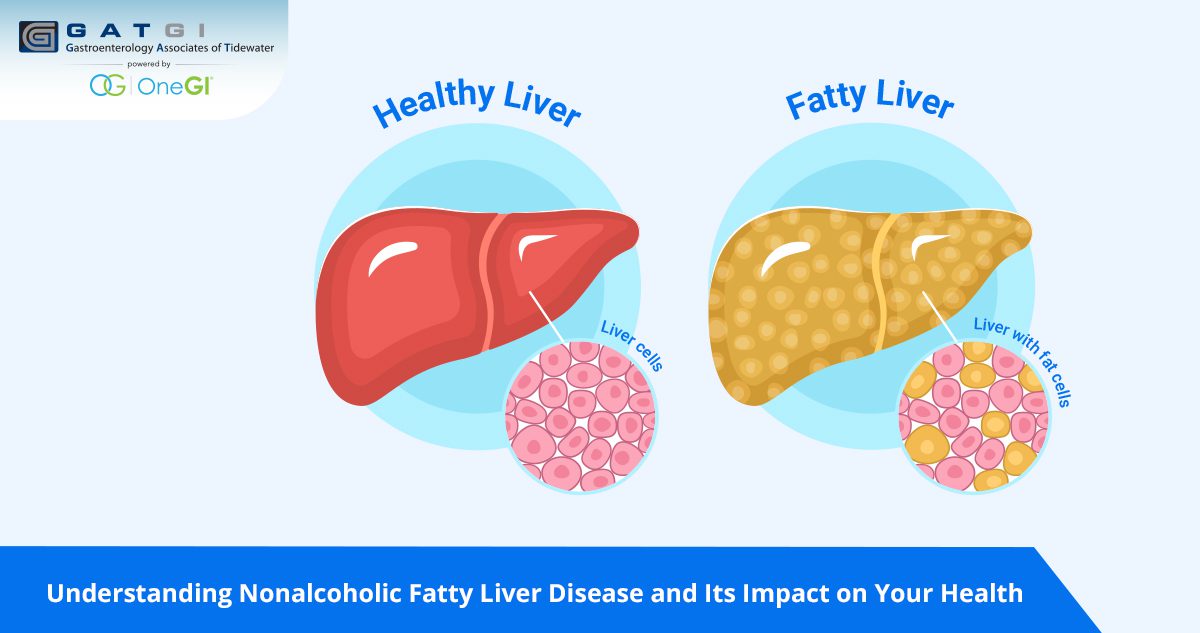
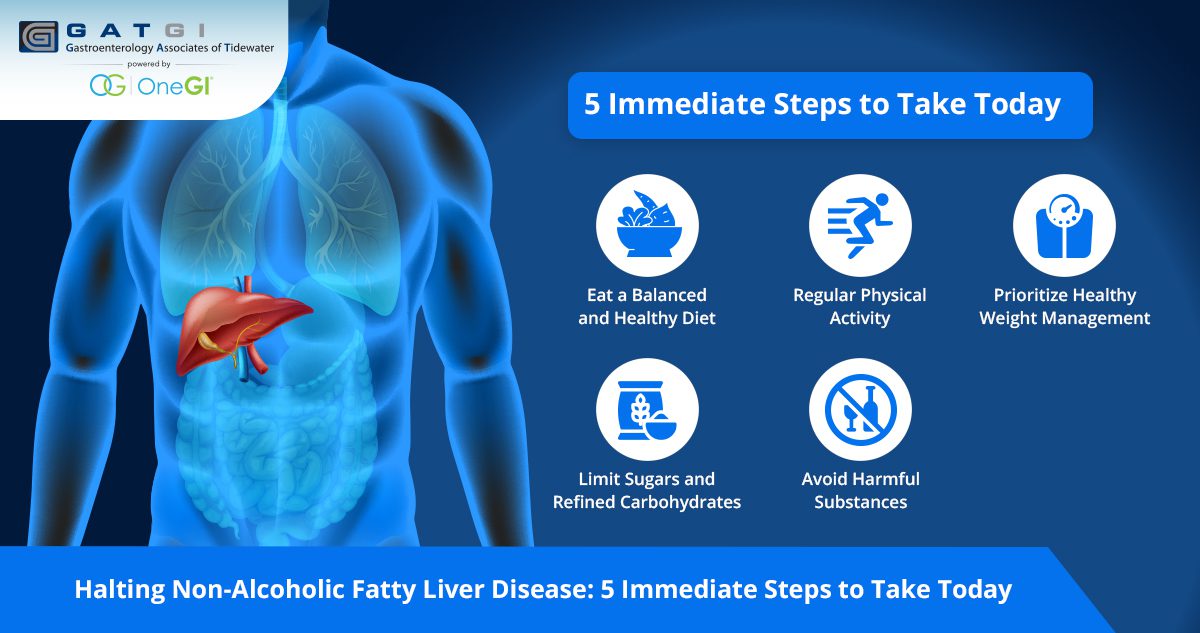
Eat a balanced diet, exercise regularly, and aim for a healthy weight. Nonalcoholic fatty liver disease is on the rise and often goes hand-in-hand with other metabolic issues. For more liver health tips, see our post on healthy habits for liver care, part of our ongoing effort to share actionable insights for those seeking to improve their liver wellness and learn how to prevent hepatitis infection.
When to See a Liver Specialist
If you’ve been diagnosed with hepatitis or are at risk, seeing a specialist or a gastroenterologist can help you protect your long-term health. Our team offers comprehensive evaluations, diagnostics, and treatment for a full range of liver and digestive issues. Learn more about our approach to gastrointestinal disease treatment and how we support patients throughout their care journey.
Support World Hepatitis Day 2025
World Hepatitis Day is more than a health observance—it’s a global call to action and a perfect time to review liver health tips for World Hepatitis Day and take proactive steps for your well-being. You can make a difference by learning your hepatitis status, sharing prevention tips, and encouraging loved ones to prioritize their liver health.
For trusted care and guidance, turn to your local experts in gastroenterology in Virginia Beach and the Tidewater area and schedule an appointment.