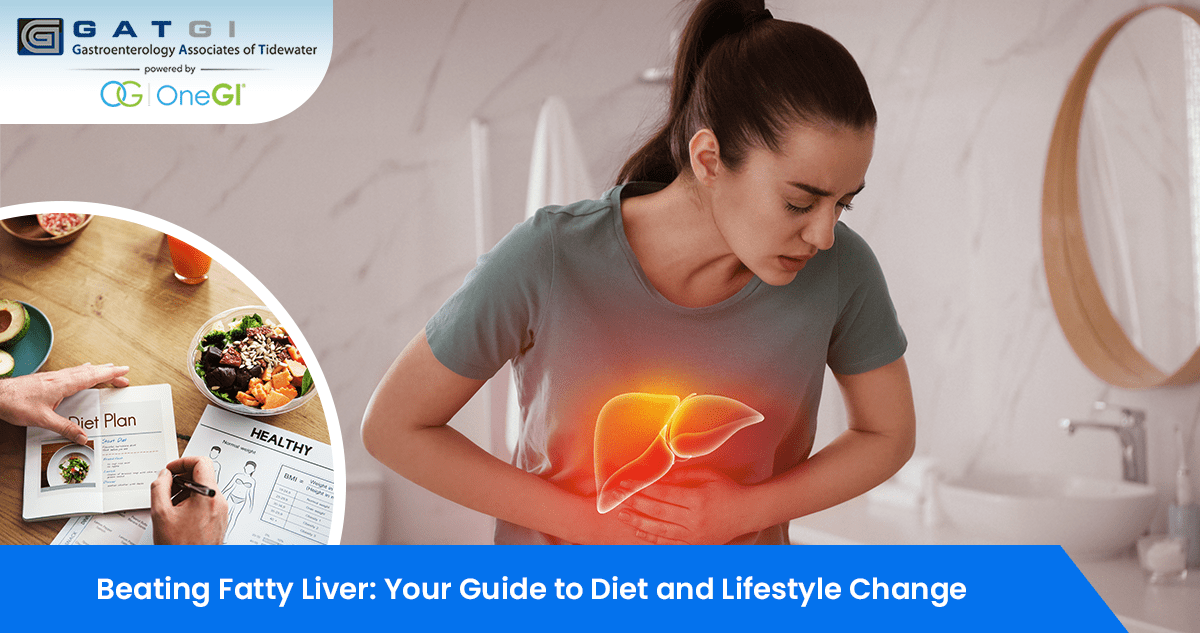
Fatty liver is the most common form of chronic liver disease. It affects approximately 25 percent of the world’s population. Fortunately, a combination of a healthy diet and lifestyle changes can help manage, and even reverse, non-alcoholic fatty liver disease. A diet rich in vegetables, lean proteins, and healthy fats, coupled with regular exercise, can dramatically improve liver health.
What Is Fatty Liver Disease and Why Does Diet Matter?
Fatty liver disease is a condition characterized by an accumulation of excess fat in the liver. Diet and lifestyle changes can significantly help manage, and even reverse, the condition. The liver naturally contains some amount of fat, but when more than 5 percent of it is fat, it’s considered a fatty liver. This condition is often linked with obesity, type 2 diabetes, high blood pressure, and high cholesterol. It’s crucial to manage fatty liver disease through diet, as proper nutrition can help reduce liver fat and improve liver function.
What are the Signs and Symptoms of Fatty Liver?
This condition often has no symptoms in its early stages, making it a silent disease. It’s closely associated with:
- Obesity
- Type 2 diabetes
- High blood pressure
- High cholesterol
If left untreated, fatty liver disease can lead to more serious liver conditions, such as cirrhosis and liver cancer. As you begin to understand the importance of managing fatty liver through diet, it’s essential to explore how nutrition directly supports liver health and helps prevent further complications.
What is the Best Diet for Fatty Liver Reversal?
When it comes to managing fatty liver disease through diet, it’s crucial to adopt a balanced and nutritious eating plan. The best diet for fatty liver reversal involves eating anti-inflammatory foods, including fruits, vegetables, whole grains, lean proteins, and healthy fats, while avoiding processed and high-fat foods. Such a diet focuses on foods that are rich in antioxidants and anti-inflammatory properties, such as vegetables, lean proteins, and healthy fats.
A Mediterranean-style diet is often recommended as it’s high in fruits, vegetables, whole grains, and healthy fats such as olive oil. These foods support liver health by reducing inflammation and improving fat metabolism.
Fatty Liver Foods to Eat
- Vegetables (spinach, kale, broccoli)
- Fruits (berries, apples, citrus fruits)
- Whole grains (quinoa, brown rice, oats)
- Healthy fats (olive oil, avocado, nuts)
- Lean proteins (fish, chicken, tofu)
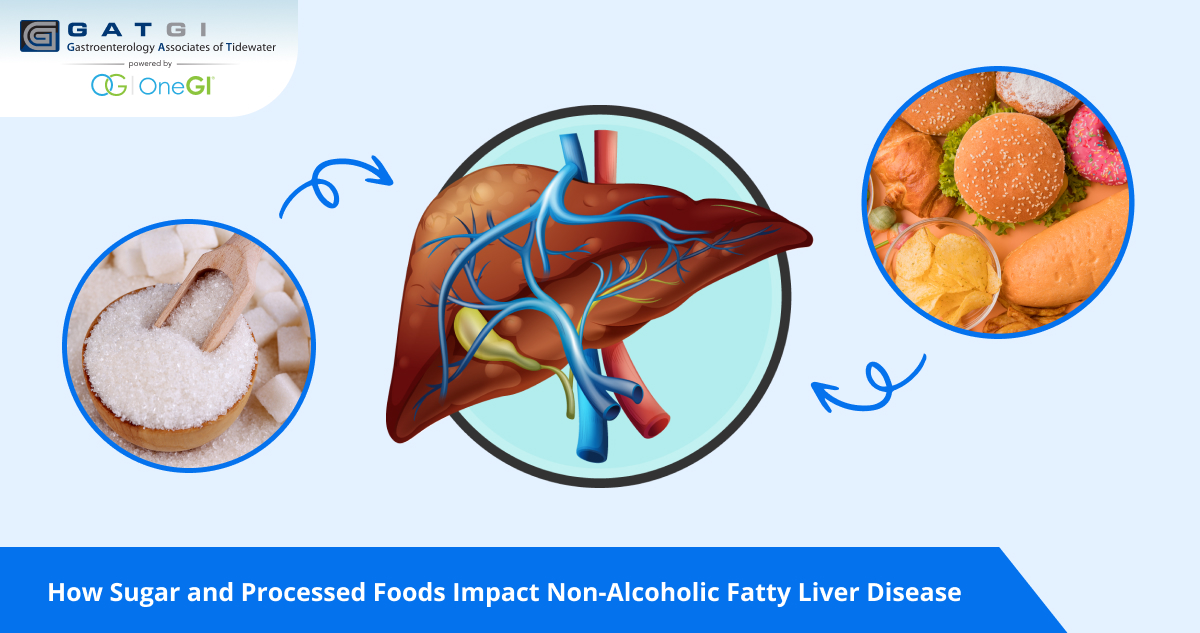
Eating less saturated fats and processed foods is another important step. These foods can lead to obesity and insulin resistance, two major risk factors for fatty liver disease. Replace these foods with lean proteins like fish or chicken, and complex carbohydrates such as quinoa or sweet potatoes. By making these simple yet impactful changes, you can help your liver repair itself and improve overall health.
What Foods to Avoid with Fatty Liver Disease
Avoiding sugary, fried, and processed foods, alcohol, and high-fat dairy is essential to prevent the progression of fatty liver disease. These foods should be limited or avoided to prevent worsening fatty liver disease. Have a look at foods to avoid:
- Sugary foods and drinks (soda, candies)
- Fried and processed foods (chips, fast food)
- Alcohol (which can further damage liver cells)
- High-fat dairy (full-fat cheese, butter)
- Refined grains (white bread, pastries)
By avoiding these harmful foods, you’re giving your liver the best chance to recover and function optimally. It’s not just about what you eat, but also about ensuring you’re choosing foods that promote long-term liver health.
How to Reduce Liver Fat with Diet and Daily Habits
Reducing liver fat through diet involves eating whole, unprocessed foods, staying hydrated, maintaining a healthy weight, and avoiding alcohol and sugary foods.
To reduce liver fat naturally, focus on:
- Eating whole, nutrient-dense foods like vegetables, fruits, lean proteins, and whole grains
- Drinking plenty of water helps flush out toxins
- Maintaining a healthy weight through portion control and balanced meals
- Avoiding alcohol, as it can worsen liver damage
- Reducing sugar and processed food intake to prevent fat accumulation in the liver
These habits will not only support your liver but will also help enhance your overall well-being. Establishing these practices as part of your daily routine can lead to noticeable improvements in liver health and prevent further complications related to fatty liver disease.
Can You Provide A Sample Non-Alcoholic Fatty Liver Disease Diet Plan?
Wondering what to eat with fatty liver? Check this diet plan!
A fatty liver diet plan must include nutrient-dense foods like whole grains, lean proteins, fruits, and vegetables, while avoiding processed foods and alcohol.
Here’s a sample diet plan for managing non-alcoholic fatty liver disease (NAFLD):
- Breakfast: Oatmeal with chia seeds, berries, and almond butter
- Lunch: Grilled salmon with quinoa and steamed broccoli
- Snack: A handful of nuts and an apple
- Dinner: Stir-fried vegetables with tofu and brown rice
- Drinks: Water, green tea, or herbal teas
This plan ensures you consume a variety of foods that support liver health while providing essential nutrients. Regularly following this plan will help improve the liver’s ability to recover from fatty liver disease.
Fatty Liver Exercise and Diet: Why Both Matter
Exercise plays a crucial role in the management of fatty liver disease and can significantly help reverse the condition by aiding fat metabolism, reducing inflammation, and promoting weight loss through both aerobic and resistance training.
Recommended Exercises:
- Aerobic exercises like walking, cycling, or swimming
- Resistance training to build muscle mass
- Yoga for stress reduction and improving liver function
Both aerobic exercises, like running, cycling, and swimming, and resistance training can be beneficial. A combination of both types of exercise is most effective. Research from Penn State College of Medicine confirms that 150 minutes of aerobic exercise reduces liver fat. Pairing these exercises with a well-structured diet plan can lead to the best results.
Managing Fatty Liver with Medication
While there are currently no drugs specifically approved for treating this condition, certain medications prescribed for related conditions can be beneficial. Medications used to manage diabetes, high cholesterol, and obesity can also help reduce liver fat.
Medications such as Metformin, used to treat type 2 diabetes, can improve insulin resistance, a significant contributor to fatty liver disease. Statins, typically prescribed for high cholesterol, may also have a protective effect on the liver by reducing inflammation.
However, it’s essential to remember that medication alone is not enough to manage fatty liver disease. A comprehensive approach that includes diet, exercise, and regular monitoring is necessary for optimal results.
Always consult your healthcare provider before starting any new medication. Also, be aware that some medications can have harmful side effects on the liver, so regular monitoring of liver function is necessary when taking these drugs.
When to See a Liver Specialist
If you have fatty liver disease or suspect you might, it’s essential to consult a liver specialist. The gastrointestinal liver specialists at Tidewater can help monitor your condition, recommend the best treatment options, and ensure your liver is not further damaged.
For further assistance and guidance on managing your liver health, consider contacting the gastrointestinal disease treatment specialists at Gastroenterology Associates of Tidewater.
Key Takeaways
- Fatty liver is a common condition, often linked to obesity, diabetes, and high cholesterol.
- A balanced diet rich in vegetables, lean proteins, and healthy fats can help manage and even reverse fatty liver disease.
- Mediterranean-style diets rich in fruits, vegetables, whole grains, and healthy fats like olive oil are ideal for liver health.
- Exercise is essential; aerobic and resistance training both help reduce liver fat and inflammation.
- Avoid sugary foods, fried foods, alcohol, and high-fat dairy to prevent worsening fatty liver disease.
- Sweet potatoes are beneficial for fatty liver due to their fiber and antioxidant content.
- Regular check-ups with a liver specialist are important for monitoring liver function and managing the condition.
Get Complete Support and Comprehensive Treatment for Your NAFLD. Visit GATGI Today!
Managing fatty liver disease is a multi-dimensional undertaking that encompasses dietary changes, regular exercise, appropriate medication, and regular check-ups with your healthcare provider. It’s a journey of better health that begins with understanding the disease and taking proactive steps toward healthier habits.
Remember, each step you take toward better nutrition, increased physical activity, and regular medical oversight can significantly improve liver health and prevent further complications.
For more information or to schedule an appointment with a board-certified gastroenterologist, contact Gastroenterology Associates of Tidewater at (757) 547-0798.
FAQs
Are sweet potatoes good for fatty liver?
Yes, sweet potatoes are beneficial for fatty liver disease as they are high in fiber and antioxidants, which reduce liver inflammation and improve overall liver health.
Can I eat potatoes if I have fatty liver disease?
Potatoes can be consumed in moderation, but it’s best to opt for baked or boiled potatoes instead of fried ones. Sweet potatoes are particularly recommended.
What should I eat with fatty liver on a daily basis?
Focus on nutrient-dense foods like vegetables, fruits, whole grains, lean proteins, and healthy fats to support liver health and manage fatty liver disease.
Can fatty liver be reversed naturally?
Yes, fatty liver can be reversed naturally through dietary changes, regular exercise, and weight management, often by reducing fat in the liver and improving liver function.
What is a non-alcoholic fatty liver disease (NAFLD) diet plan?
A NAFLD diet includes whole grains, lean proteins, fruits, vegetables, and healthy fats, while avoiding alcohol, sugar, and processed foods.
Is exercise important for fatty liver disease?
Yes, regular exercise is crucial for managing fatty liver disease by improving fat metabolism, reducing liver fat, and supporting weight loss through both aerobic and resistance training.