Heartburn and reflux symptoms are among the most common digestive complaints, yet many people aren’t sure how to distinguish routine acid reflux from gastroesophageal reflux disease. Understanding the difference matters because persistent reflux can lead to complications that affect long‑term health and quality of life.
This overview explains how reflux happens, what separates occasional symptoms from a chronic condition, and when it’s time to seek medical evaluation.
Table of Contents
GERD vs. Acid Reflux – When Stomach Acid Heads the Wrong Way
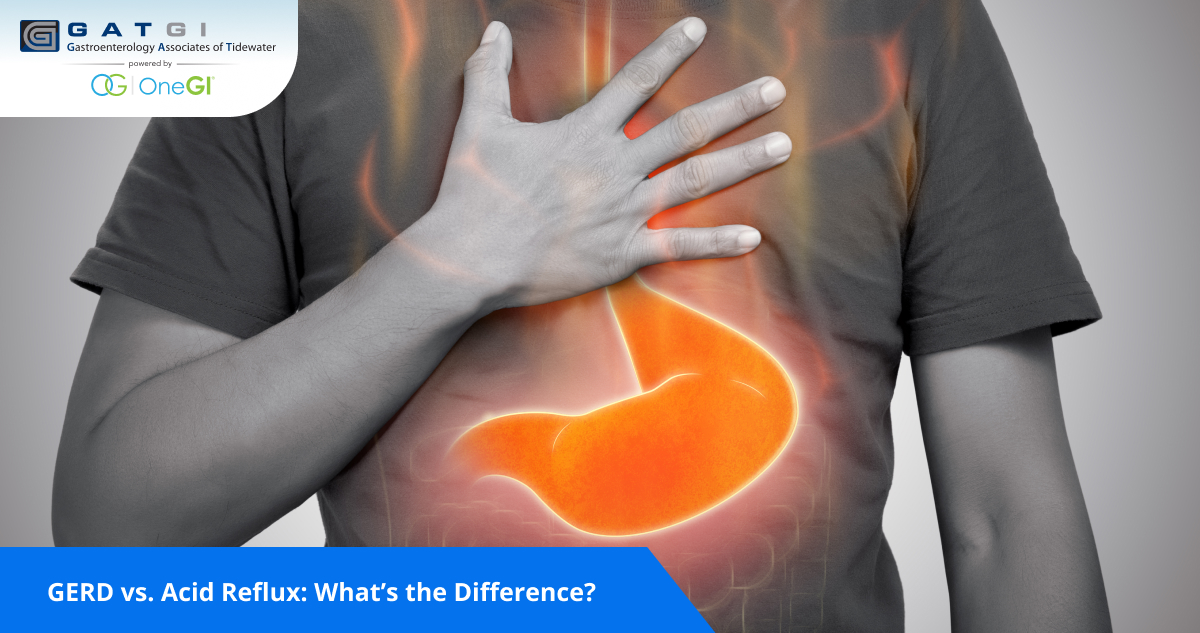
Our digestive system is designed to move in one direction. Food travels down our esophagus, enters our stomach, and our body takes it from there. But sometimes stomach acid flows back upward into the esophagus. That backward splash is acid reflux.
Acid reflux is extremely common. It might happen after a heavy dinner, lying down too soon, or indulging in foods that your stomach doesn’t appreciate. On its own, a reflux episode doesn’t automatically mean you have a medical condition.
GERD is different. GERD, or gastroesophageal reflux disease, is reflux that happens frequently or causes damage. If you’re having reflux symptoms two or more times a week or your esophagus is showing signs of irritation or injury, it’s no longer just reflux. It’s GERD!
GERD vs. Acid Reflux Symptoms – The Differences and Similarities
GERD and acid reflux share a long list of symptoms, which is why people often confuse the two. You may notice:
- Burning in the chest after eating
- Sour or bitter fluid rising into the throat
- Pain or pressure in the chest
- Nausea or a loss of appetite
- Hoarseness or a scratchy voice
- A stubborn cough
- A sensation of something “stuck” in the throat
- Difficulty swallowing
While many symptoms overlap, there are a few differences that can help distinguish GERD from occasional acid reflux:
- Symptoms occurring two or more times per week
- Chest discomfort or burning that disrupts sleep
- Persistent throat irritation or chronic cough not linked to meals
- Frequent regurgitation that affects daily activities
The gastroenterologists in Virginia Beach at GATGI recommend visiting an expert right when you notice the first symptom.
Causes of GERD and Acid Reflux
At the bottom of our esophagus is a ring-shaped muscle known as the lower esophageal sphincter (LES). Its job is simple: open to let food pass and close to keep acid where it belongs.
Reflux happens when the LES relaxes at the wrong time or doesn’t seal tightly enough. And GERD develops when this becomes a long-term pattern.
Common causes include:
- A hiatal hernia, which changes the angle and pressure around the LES
- Pregnancy, which increases abdominal pressure and shifts organs
- Obesity
- Smoking, including exposure to secondhand smoke
- Medications such as NSAIDs, benzodiazepines, calcium channel blockers, and certain antidepressants
- Foods and drinks like coffee, alcohol, chocolate, peppermint, garlic, onions and high-fat meals
- Chronic coughing or straining
Over time, these factors can weaken or overwhelm the LES, making reflux easier and more frequent.
Reflux in Babies – Yes, They Get It Too!
Spitting up is normal in infants. Their digestive systems are still developing, and most of the time, it doesn’t bother them. But chronic GERD in babies can cause feeding difficulties, poor sleep, irritability, wheezing or repeated vomiting. A gastroenterologist can help determine whether it’s typical spit-up or something more concerning.
When Reflux Becomes Risky
Stomach acid is powerful. It’s meant to break down food, not delicate esophageal tissue. With GERD, repeated exposure can lead to complications such as:
- Esophagitis is, inflammation that can cause pain and ulcers
- Esophageal strictures, where scarring narrows the esophagus
- Barrett’s esophagus, a precancerous change in the esophageal lining
- Aspiration, when acid enters the airways
- Asthma symptoms are triggered by acid irritation
- Tooth enamel erosion from repeated exposure to acid
- Chronic coughing and throat discomfort
- Sleep disruption, especially if symptoms worsen at night
How Doctors Diagnose GERD
If your symptoms suggest GERD, your gastrologist may use one or more tests to understand what’s happening:
- Barium X-ray (esophagram) to observe swallowing in real time
- Upper endoscopy to look directly at the esophagus and check for irritation
- Wireless pH monitoring, which measures how often and how strongly acid reaches the esophagus
- Esophageal manometry to evaluate how well the esophagus and LES function
These tests help determine how severe the reflux is and what gastrointestinal disease treatment is suitable.
Medical Treatments for Acid Reflux and GERD
When reflux becomes chronic or disruptive, medication can help protect your esophagus and ease symptoms. Some common recommendations are:
- H2 blockers, which decrease acid production
- Proton pump inhibitors (PPIs), which provide stronger and longer-lasting acid control
- Medications that reduce how often the LES relaxes
Most people respond well to these treatments. But if symptoms persist or complications occur, it may be time to consider a different approach.
When Surgery is the Best Option
Surgical treatment isn’t common, but it can be life-changing for people with severe GERD. Procedures include:
- Nissen fundoplication, where the upper part of the stomach is wrapped around the esophagus to strengthen the LES
- LINX, a small magnetic ring implanted around the LES to help keep it closed
Both are minimally invasive and highly effective for the right patients. Learn about other treatments and procedures offered at GATGI here.
When to Seek Medical Care
You must consult a gastroenterology physician near you if:
- You have reflux symptoms two or more times weekly
- Over-the-counter medications aren’t helping
- Symptoms interfere with sleep, appetite, work, or daily activities
- You have trouble swallowing or feel food getting stuck
- You’re losing weight unintentionally
- You have persistent coughing, hoarseness, or choking at night
Reflux shouldn’t control your life, and you don’t need to wait until it’s severe to get support.
Need Help in Managing or Treating A Digestive Concern? Schedule an Appointment at GATGI!
Understanding the difference between occasional acid reflux and GERD is an important step in protecting your long-term digestive health. If you’re experiencing frequent heartburn, nighttime symptoms, regurgitation, or trouble swallowing, a proper evaluation can help you get lasting relief.
Our board-certified gastroenterologists at Gastroenterology Associates of Tidewater provide comprehensive diagnostic care and personalized treatment plans rooted in more than 45 years of trusted experience. With convenient offices in Chesapeake and Virginia Beach, our team is here to help you feel better and prevent complications. To schedule an appointment, call GATGI at (757) 547-0798.