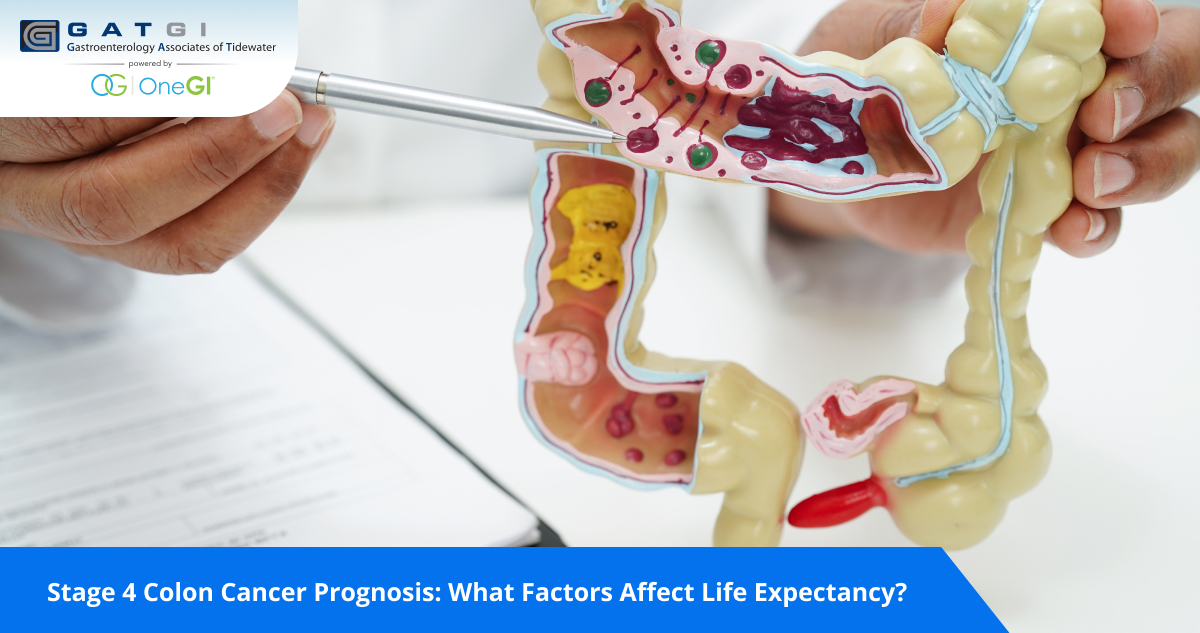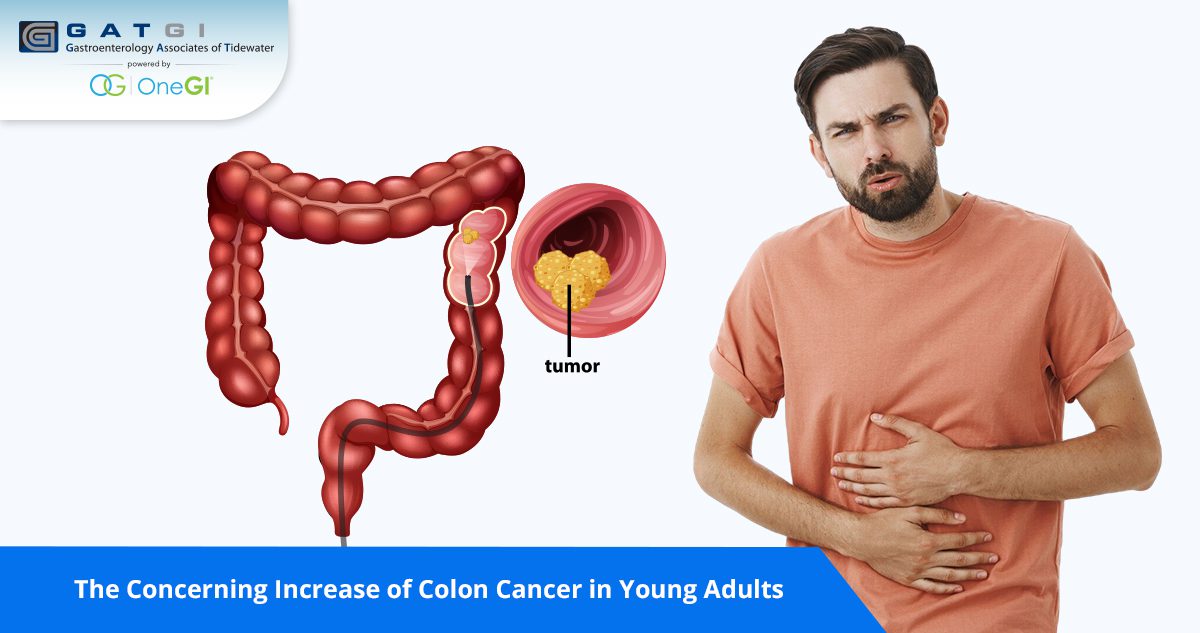
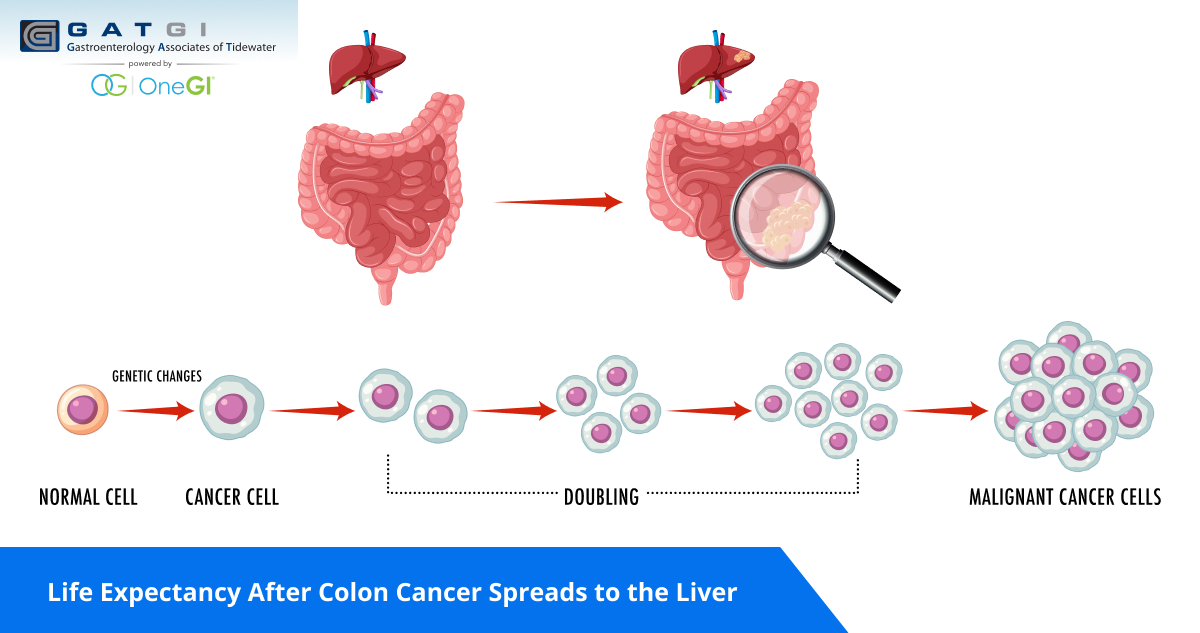
A diagnosis of stage 4 colon cancer means the cancer has spread from the colon to other parts of the body. The liver is a common site for this spread, known as metastasis. This post will provide information on stage 4 colon cancer prognosis and factors that influence life expectancy.
Understanding Stage 4 Colon Cancer
When colon cancer metastasizes or spreads to the liver, cancer cells from the original tumor travel through the bloodstream or lymphatic system and form new tumors in the liver. This is an advanced stage of the disease. Managing it requires a comprehensive approach. The five-year relative survival rate for colon cancer that has spread is about 15 percent. This is a significant drop from the 91 percent survival rate for colon cancer that is still contained to one area.
Advanced colon cancer life expectancy is influenced by various factors, including the patient’s overall health, the extent of metastasis, and the effectiveness of treatment options such as chemotherapy, targeted therapy, or surgical interventions.
Factors Influencing Life Expectancy
Several factors affect the life expectancy for colon cancer that has spread to the liver. These elements help doctors create a prognosis and treatment plan.
- Type of Cancer: The specific characteristics and aggressiveness of the cancer cells play a large role.
- Patient Health: A patient’s overall health, age, and physical fitness affect the body’s ability to tolerate aggressive treatments. Managing other health conditions and maintaining a balanced diet can improve outcomes.
- Response to Treatment: How well the cancer responds to therapies is a critical factor in determining prognosis.
- Location of Spread: When colon cancer spreads only to the liver, surgical removal may be an option, which can significantly improve the metastatic colon cancer survival rate. In contrast, cancer that has spread to multiple organs is more challenging to treat.
- Surgical Options: When colon cancer spreads to the liver, life expectancy can improve significantly if the affected areas are surgically removed.
Treatment Options
Treatments for stage 4 colon cancer often involve a combination of therapies. A personalized treatment plan is essential.
- Surgery: In some cases, tumors in the liver can be removed surgically.
- Chemotherapy: This treatment is often used to shrink tumors before or after surgery.
- Targeted Therapy: These drugs work by blocking specific pathways that help cancer cells grow and spread. Genetic testing can identify mutations, allowing for targeted therapies designed to address them.
- Immunotherapy: This treatment helps the body’s immune system fight cancer. It works well for patients with specific genetic markers.
Early Detection and Prevention
Regular colon screenings are the most effective way to find colon cancer early. Early detection significantly improves treatment outcomes.
Therefore, it is crucial to schedule a colonoscopy as recommended by your healthcare provider to detect any potential issues early.
Certain lifestyle choices can also lower your risk. These include maintaining a healthy weight, eating a diet rich in fruits and vegetables, avoiding processed meats, limiting alcohol, and not smoking.
Genetic and Family Risk
Family history and genetics are important in assessing your risk for colon cancer. Inherited conditions like Lynch syndrome can increase your risk. If you have a family history of colon cancer, genetic counseling and testing can provide valuable information. Your doctor may recommend earlier or more frequent screenings. You can learn more about different gastroenterology tests and procedures from a specialist.
Symptoms to Watch For
Recognizing the symptoms of colorectal cancer is important. Common signs include:
- A change in bowel habits, like diarrhea or constipation.
- Blood in your stool.
- Persistent abdominal pain or cramping.
- Unexplained weight loss.
- Weakness and fatigue.
If you experience any of these symptoms, see a doctor promptly.
Early detection through gastroenterology tests and procedures can significantly improve treatment outcomes for colorectal cancer.
The Importance of Professional Care
Understanding your prognosis involves working closely with a team of healthcare professionals. Gastroenterology physicians can provide expert care and guidance. They will help you navigate your diagnosis and treatment options. Routine screenings like colonoscopies are vital for prevention and early detection.
If you are seeking expert medical advice, a gastroenterologist in Virginia Beach can provide specialized care tailored to your needs.
Next Steps for Your Health
Stage 4 colon cancer prognosis with liver metastasis depends on many factors, including life expectancy. Advances in treatment continue to improve outcomes. Regular screenings, understanding your risk factors, and seeking prompt medical advice for any symptoms are crucial steps in managing your health. If you are due for a screening, do not delay.
Consider searching for “gastroenterology physicians near me” to find experienced specialists who can guide you through personalized care and treatment options.