
If you live with fatigue that won’t quit, stubborn belly weight, or lab results that keep coming back “a little high,” it’s easy to feel stuck. Liver disease can sound scary and vague at the same time, especially when you don’t feel “sick” day to day.
Here’s the good news. In many cases, the most powerful lever you can pull is also one of the most practical: weight management for liver health. Even modest, steady weight loss can reduce liver fat and calm inflammation. You don’t need perfection. You need a plan you can repeat.
This guide breaks down what excess weight does to the liver, why gradual weight loss protects it, and what steps to take if you suspect fatty liver or early liver damage.
How Weight Affects Liver Disease
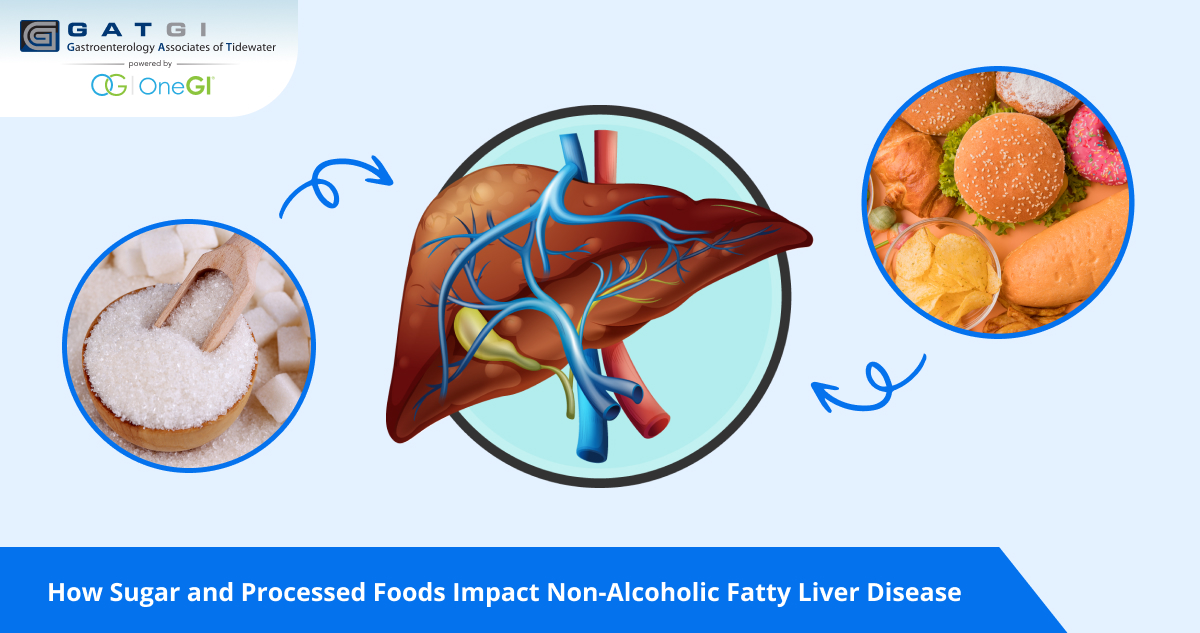
Your liver acts like the body’s processing plant. It manages fats, sugars, and toxins, and it helps regulate inflammation. When your body stores extra energy over time, the liver often becomes a storage site too.
That’s where trouble starts.
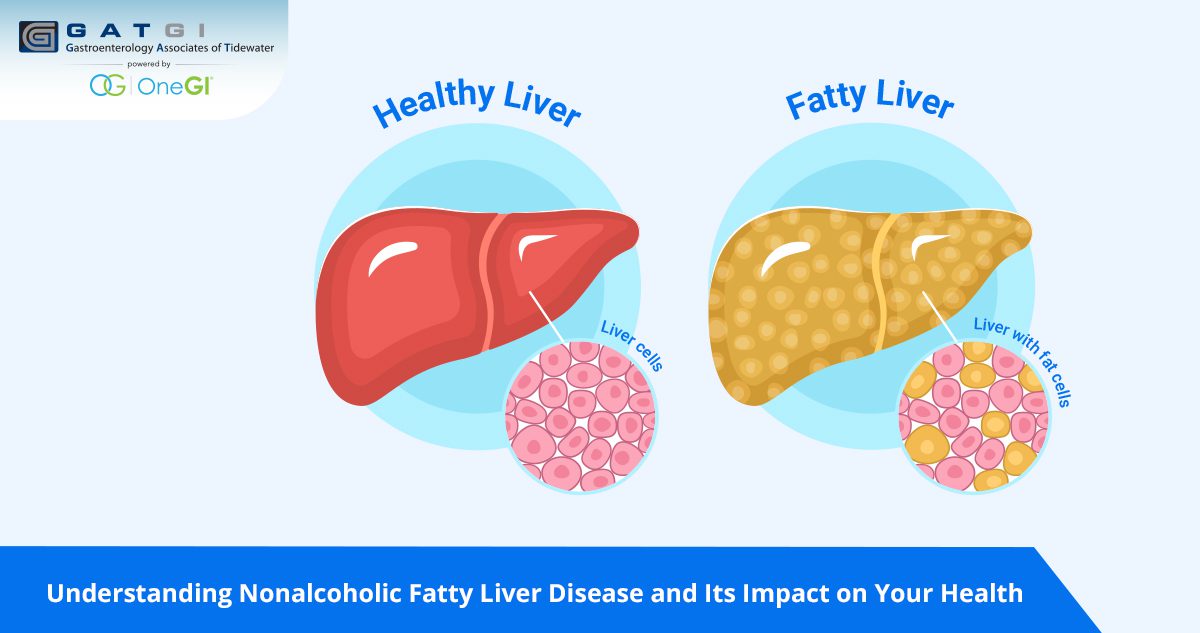
When fat builds up in liver cells, the liver can become irritated and inflamed. Over time, ongoing inflammation can lead to scarring (fibrosis). In advanced cases, severe scarring can progress to cirrhosis and raise the risk of liver failure and liver cancer.
If you’re thinking, “How common is this, really?” It’s more common than most people realize. One large analysis estimates that about 38% of U.S. adults have fatty liver disease.
A Quick Glance at What’s Happening Inside the Liver
Extra weight can push several processes in the wrong direction at the same time:
- More liver fat storage because the body has more circulating fatty acids
- Insulin resistance (your cells stop responding well to insulin), which tells the liver to make and store even more fat
- Higher inflammation can slowly damage liver tissue
- Higher triglycerides and blood sugar worsen liver stress
This isn’t about willpower. It’s biology plus environment. The good news is that biology can improve when you change the inputs.
Weight Management for Liver Health
Weight management doesn’t mean chasing a “goal weight” at all costs. It means building habits that reduce liver fat and improve metabolic markers like blood sugar, triglycerides, and liver enzymes.
The 3 Levers That Move the Needle Most
1. Food choices that lower liver fat
You don’t need extreme diets. You do need consistency with the biggest drivers:
- Reduce refined carbs and added sugars (especially sugary drinks and frequent desserts)
- Cut back on saturated fats (fried foods, processed meats, heavy fast food patterns)
- Build meals around fiber + protein (vegetables, beans, lentils, eggs, fish, lean meats, Greek yogurt)
2. Movement that improves insulin sensitivity
Exercise helps even when the scale moves slowly. It improves insulin sensitivity and reduces liver fat signals over time. Physical activity can help the liver even without major weight loss.
3. Consistency over speed
Crash dieting can backfire. Rapid weight loss and poor nutrition can worsen liver disease for some people, so aim for a gradual, steady loss you can maintain.
A Simple Daily Routine You Can Personalize
If you feel overwhelmed, start here for two weeks:
- Breakfast: protein + fiber (example: eggs and fruit, Greek yogurt with berries, or tofu scramble with vegetables)
- Lunch: half plate veggies, palm-sized protein, slow carb (beans, brown rice, quinoa)
- Dinner: repeat lunch structure, smaller carb portion if you’re less active in the evening
- Drinks: water, unsweetened tea, black coffee if tolerated
- Movement: 20–30 minutes brisk walking most days + 2 days/week basic strength work
This is not a “perfect plan.” It’s a repeatable base.
Weight Loss for Fatty Liver Disease
Fatty liver can feel confusing because you might not feel symptoms until later. Many people discover it after routine bloodwork or imaging.
If you’ve ever wondered why your doctor cares about ALT/AST (liver enzymes), here’s why: elevated liver enzymes can signal liver irritation, and weight loss often brings them down as liver inflammation decreases.
What does “fatty liver” mean? Fatty liver (MASLD/NAFLD) means excess fat sits in the liver. Some people stay in a “simple fatty liver” stage for years. Others progress to MASH/NASH, where inflammation and liver cell injury show up, and then scarring can follow.
The difference matters because scarring changes long-term risk.
How Much Weight Loss Tends to Matter
A practical target many clinicians use:
- 3% to 5% loss: often improves liver fat
- 7% to 10% loss: more likely to improve inflammation and fibrosis markers
That’s straight from NIDDK guidance and aligns with how many specialists approach lifestyle treatment. If you weigh 200 pounds, 5% is 10 pounds. That’s meaningful for your liver.
Can Weight Loss Reverse Fatty Liver
In many cases, yes. People can see real improvement with sustained lifestyle changes, especially when they address blood sugar control, triglycerides, sleep, and activity, along with weight.
Weight loss lowers liver fat first. Then inflammation tends to settle. Fibrosis can improve, too, but it often takes longer and needs close monitoring.
What can improve and what needs medical support
You can often improve:
- Liver fat accumulation
- Elevated liver enzymes
- Insulin resistance trends
- Inflammation related to metabolic health
You need medical support when:
- Your labs stay elevated despite changes
- You have imaging signs of fibrosis
- You have diabetes or multiple metabolic risk factors
- You have symptoms such as swelling, jaundice, or significant abdominal pain
Some people also benefit from structured medical options. Research reviews report that bariatric surgery can improve fatty liver and inflammation in many patients, and some studies show improvement in fibrosis for a portion of people as well.
Medications for obesity and metabolic health also show promise for liver outcomes in specific patients, especially when paired with lifestyle changes.
Separately, the FDA has approved treatments for MASH with moderate-to-advanced fibrosis that are used alongside diet and exercise in appropriate patients.
What To Track With Your Clinician
Ask your clinician what makes sense for you, but common tracking includes:
- Liver enzymes (ALT, AST) trends
- A1C or fasting glucose
- Lipids (triglycerides, HDL)
- Non-invasive fibrosis checks (blood-based scores, ultrasound-based elastography)
Preventing Liver Disease with Weight Loss
Prevention doesn’t require a dramatic transformation. It requires early action. Here’s a simple 30-day prevention checklist:
- Cut sugary drinks to near zero
- Aim for protein at each meal
- Add vegetables to two meals per day
- Walk 20 minutes after one meal on most days
- Sleep 7+ hours when possible
- Track weight weekly (not daily)
- Recheck labs on your clinician’s timeline
How Weight Management Prevents Liver Disease
When you practice weight management for liver health, you reduce the “inputs” that drive liver damage: excess liver fat, insulin resistance, and chronic inflammation.
A realistic 90-day plan looks like this:
Weeks 1–2: Build your base
- Focus on meal structure and daily walking
- Remove the biggest sugar sources first
- Keep a simple food routine you can repeat
Weeks 3–6: Add strength + refine carbs
- Add 2 days/week strength training (bodyweight counts)
- Shift carbs toward fiber-rich sources (beans, oats, brown rice)
- Keep portions steady rather than restrictive
Weeks 7–12: Personalize and troubleshoot
- Identify what breaks your consistency (stress eating, late nights, travel)
- Plan “good enough” options for tough days
- Revisit labs or check-ins if your clinician recommends it
If you feel unsure where to start, it helps to talk with a GI team that sees fatty liver patterns daily. You can also explore the Gastrointestinal Liver Specialists of Tidewater in Vrginia Beach to get clarity on labs, imaging, and next steps, especially if you worry about progression or scarring.
For practical education, you can read the patient resources on gastrointestinal disease treatment to help you understand testing, diet patterns, and common GI concerns.
And if you’ve been searching for gastroenterology physicians near me, use this article as your prep list: write down your symptoms, medications, alcohol intake, typical diet, and the dates of your last labs so your appointment stays focused and productive.
FAQs
1) What’s the best starting goal for weight management for liver health?
Start with a target of 3% to 5% weight loss over time, because that level can reduce liver fat. If your clinician suspects inflammation or fibrosis, they may guide you toward 7% to 10% loss gradually.
2) How fast should I lose weight if I have fatty liver?
Aim for a gradual loss you can sustain. Rapid weight loss can worsen liver disease for some people, so prioritize steady habits over aggressive cuts.
3) If I improve my weight, do I still need testing?
Often, yes. Lifestyle changes matter, but testing helps you confirm where you stand and whether scarring exists. Non-invasive tests can help monitor fibrosis risk without jumping straight to invasive procedures.
Steady Progress, Healthier Liver. Get a Plan That Fits Your Lifestyle and Treatment That’s Effective!
Weight management is one of the most effective ways to protect your liver because it lowers liver fat, reduces inflammation, and improves metabolic health. Even modest, sustained weight loss can shift fatty liver in the right direction, and steady progress beats extreme short-term changes.
If you suspect fatty liver disease, have elevated liver enzymes, want a clear plan based on your labs and risk factors, and are looking for gastroenterology physicians near you, consider scheduling a GI evaluation at GATGI. We can help you know exactly what you’re dealing with and what to do next.
For more information or to schedule an appointment, call (757) 547-0798.