The five-year relative survival rate for Stage 4 colon cancer is approximately 13–15%, but individual outcomes can vary significantly. The stage 4 colon cancer survival rate depends on several factors, including where the cancer has spread, overall health, genetic characteristics, and response to treatment.
Colon cancer is a leading cause of cancer-related deaths globally, and its impact increases significantly when it reaches Stage 4. Understanding the prognosis of Stage 4 colon cancer is crucial for patients and their loved ones. This post covers what factors impact life expectancy, the importance of early detection, and how treatments can make a difference. You’ll also discover the significance of scheduling routine screenings and accessing expert care.
What is Stage 4 Colon Cancer?
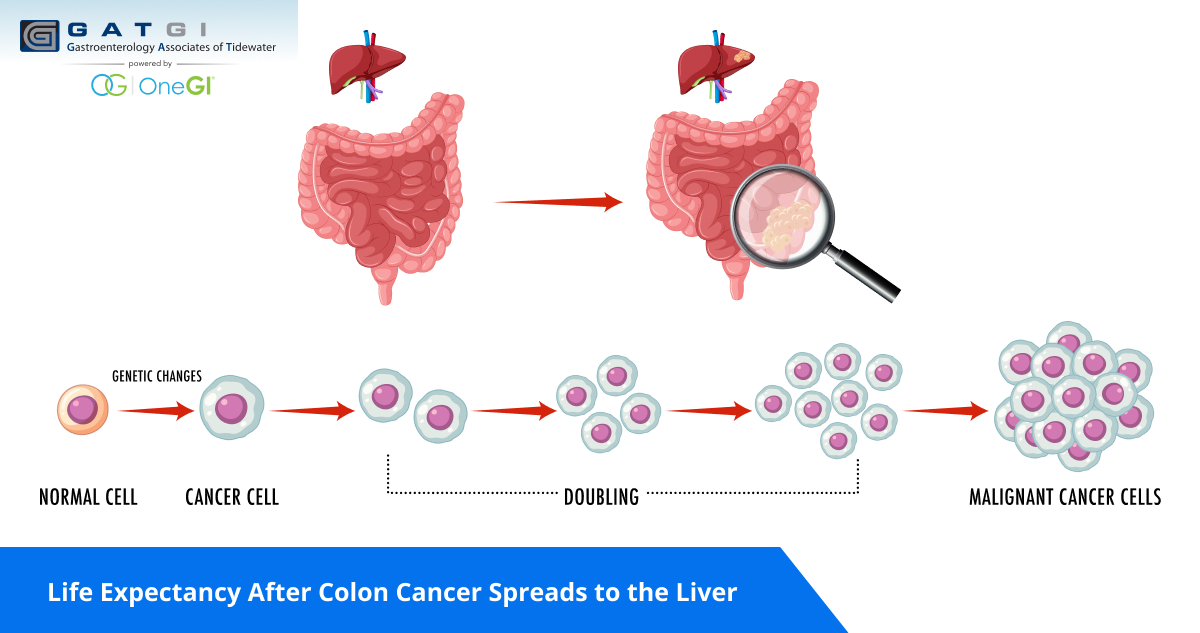
Stage 4 colon cancer, also known as metastatic colon cancer, occurs when cancer has spread beyond the colon to distant organs such as the liver, lungs, or distant lymph nodes. The treatment approach and survival rate vary based on the extent of the spread, making personalized care essential.
Understanding the Prognosis of Stage 4 Colon Cancer
The prognosis of Stage 4 colon cancer depends on several factors, including the location of metastases and the patient’s response to treatment. While challenges exist, advances in treatment options such as targeted therapy, immunotherapy, and improved surgical techniques have increased survival rates for some individuals.
The metastatic colon cancer prognosis is often discussed using five-year relative survival rates. The five-year relative survival rate for metastatic colon cancer is approximately 15%, compared to 91% for localized colon cancer. These figures come from population-level survival data and describe outcomes across large patient groups. They should not be interpreted as an individual prediction because a person’s prognosis may be influenced by factors such as tumor characteristics, genetic mutations, overall health, available treatments, and response to therapy.
Understanding the survival rate of colon cancer requires looking at the stage at diagnosis, as survival outcomes can vary significantly between localized, regional, and distant disease.
Stage-by-Stage Survival Rates for Colon Cancer
The table below provides a general overview of five-year relative survival rates by colon cancer stage. These statistics are based on current American Cancer Society (ACS) and SEER data and represent population averages rather than individual predictions.
Colon Cancer Stage |
Description |
Five-Year Relative Survival Rate |
|
Stage I |
Cancer is limited to the colon and has not spread beyond the colon wall. |
Approximately 91% |
|
Stage II |
Cancer has grown further into or through the colon wall but has not spread to nearby lymph nodes. |
Approximately 70–85% |
|
Stage III |
Cancer has spread to nearby lymph nodes but has not spread to distant organs. |
Approximately 70–75% |
|
Stage IV |
Cancer has spread to distant organs or areas of the body, such as the liver, lungs, or distant lymph nodes. |
Approximately 13–15% |
Source: American Cancer Society and SEER survival data. Survival estimates are based on patient groups and are intended to show general trends, not predict an individual patient’s outcome.
Factors Affecting Life Expectancy
Advanced colon cancer life expectancy can vary significantly depending on factors such as the stage at diagnosis, the patient’s overall health, and how well the cancer responds to treatment.
1. Treatment Options
Effective treatment can significantly impact survival. Treatments for Stage 4 colon cancer frequently combine surgery, chemotherapy, targeted therapies, and immunotherapies.
- Chemotherapy: Often used to shrink tumors before or after surgery.
- Targeted Drugs: Certain therapies work by blocking pathways that promote cancer growth.
- Hepatic Artery Embolization: Treats cancer spread to the liver.
- Immunotherapy: Works well for patients with specific genetic markers
Discussing treatment options with gastroenterology physicians near you is vital.
2. Genetic Mutations
Genetic factors can greatly influence prognosis. Genetic testing helps identify mutations that impact treatment options. Targeted therapies are often designed to address these mutations, leading to improved outcomes.
3. Overall Health
A patient’s overall health and physical fitness can affect the body’s ability to tolerate aggressive treatments like chemotherapy or surgery. Managing existing health conditions, staying active, and maintaining a balanced diet can improve treatment outcomes.
4. Location of Cancer
The location of the cancer’s spread impacts treatment options and prognosis. For Stage 4 colon cancer, outcomes can vary depending on the number and location of areas affected by cancer.
- Cancer that has spread to a limited number of distant sites may have different treatment approaches compared with cancer that has spread more extensively.
- Cancer that spreads to multiple organs may involve more complex treatment decisions.
This highlights the importance of understanding colon and liver cancer treatment options, as tailored approaches can significantly influence success rates and patient outcomes.

Your Diagnosis is Unique. Your Treatment Should Be, Too.
Statistics can't predict individual outcomes. At Gastroenterology Associates of Tidewater, we move beyond general guidelines to build a plan based on your biology:
- Genetic Marker Testing: Identifying if immunotherapy or targeted drugs are right for you.
- Metastatic Expertise: Specialized cancer care that has reached the liver or lungs.
- Quality of Life focus: Balancing aggressive treatment with compassionate management.
The Importance of Early Detection and Awareness
Early detection remains critical despite the challenges of treating Stage 4. Regular colonoscopies can identify polyps before they become cancerous, reducing the risk of advanced colon cancer. According to the American Cancer Society, individuals at average risk should begin screening at age 45.
Explore screening options today with our dedicated team in Virginia Beach.
Family History and Genetic Risk
A family history of colon cancer increases the likelihood of inheriting genetic conditions like Lynch syndrome. Routine gastroenterology tests and procedures, including genetic testing, can help assess this risk.
If you have a family history of colon cancer, consult with a gastroenterologist in Virginia Beach, Coastal Virgina or a provider in your area to discuss monitoring and preventive strategies.
Signs and Symptoms of Colon Cancer
Understanding symptoms can lead to earlier detection. Common symptoms include:
- Blood in stool
- Persistent abdominal pain or cramping
- Sudden weight loss
- Unexplained fatigue
- Changes in bowel habits
If you notice any of these symptoms, don’t wait. Schedule a colonoscopy to rule out serious conditions.
Expert Care and Your Next Steps
While a Stage 4 colon cancer diagnosis may feel overwhelming, many options are available for managing the disease and improving quality of life. Advances in medicine have expanded possibilities for personalized care.
Taking action begins with awareness. Whether you’re seeking treatment, considering genetic testing, or want to know more about preventive care, consult gastroenterology specialists who can provide tailored answers.
Schedule Your Screening Today
Managing your health is the best way to beat the odds. If you’re in the South Hampton Roads area, schedule a colonoscopy today to put your health first. Call (757) 547-0798.
Frequently Asked Questions
1. Is stage 4 colon cancer curable?
The answer to whether stage 4 colon cancer is curable depends on several factors, including where the cancer has spread, the number of affected areas, tumor characteristics, and how well the cancer responds to treatment. Some patients may achieve long-term disease control, while others may need ongoing treatment to manage progression.
2. What is the average life expectancy with stage 4 colon cancer?
Average life expectancy with Stage 4 colon cancer varies widely between individuals. Factors such as overall health, cancer biology, treatment response, and available therapies can influence outcomes. Survival statistics provide general information but cannot predict how long a specific person will live.
3. Can you survive metastatic colon cancer long-term?
Some people with metastatic colon cancer can live for several years with appropriate treatment and ongoing medical care. Long-term survival depends on individual factors, including where the cancer spreads, genetic changes, and how the patient responds to therapy.
4. What increases survival rate in stage 4 colon cancer?
Factors that may improve outcomes include receiving appropriate treatment, identifying genetic markers that guide therapy choices, maintaining overall health, managing treatment side effects, and receiving regular follow-up care.